Dead Rodent Removal in Fort Worth, TX
A dead rat in a wall void, an attic or under a pier-and-beam floor is located by smell, flies and the marks it left, removed through the smallest cut that reaches it, then followed by deodorizing, patching and sealing of the opening it used.
- Carcass located and removed
- Access cut patched after
- Entry sealed so it ends
What dead rodent removal in Fort Worth includes
Dead rodent removal in Fort Worth covers finding the carcass, removing it, treating the spot it lay on, closing the access cut, and sealing the opening the animal used to get into the house. The free inspection prices each of those on its own line, so the homeowner sees the cost of the removal apart from the cost of the sealing.
Locating the carcass
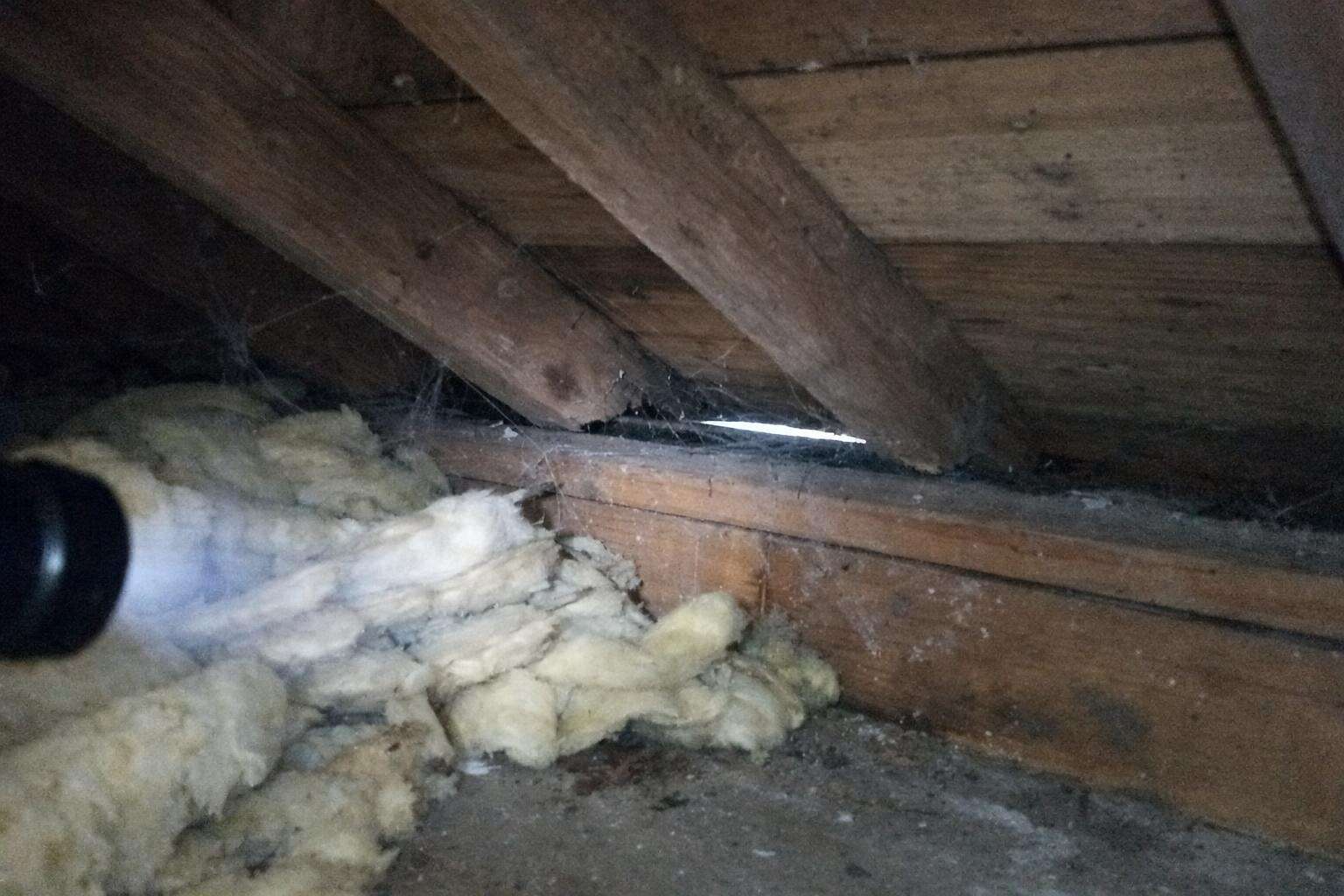
Whoever attends follows the odor room by room, then wall by wall, checking for blowflies at a window, a stain on drywall or a ceiling, and the droppings and rub marks that show where the animal traveled. In summer the search usually ends in a wall void or a garage wall; in winter it usually ends in the attic insulation.
Removing it and treating the spot
The carcass is bagged, the fluids and any maggots are cleaned from the framing and drywall backing, and the cavity is treated with an enzyme or oxidizing deodorizer before it is closed. Where the animal died in blown insulation, the affected insulation comes out with it.
Patching and sealing
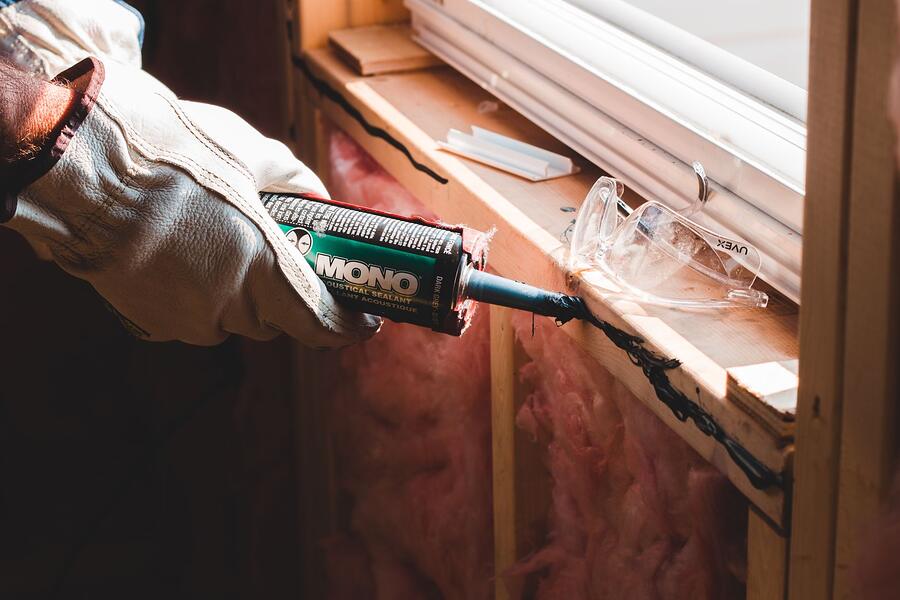
The access cut in drywall is patched, taped and floated ready for paint. The opening on the roofline or at the foundation that let the animal in is closed in hardware cloth or sheet metal, because the same opening will deliver the next one. That work is described on the rodent exclusion page and is priced on its own line.
Trapping anything still moving
A dead rat in a wall is rarely alone. Snap traps go on the runs found during the search so the animals still inside are removed on a trap instead of dying in the next wall over. The roof rat removal page covers that side of the job.
How do I find where the dead rat smell is coming from?
The carcass is almost always within a few feet of the point where the smell is strongest at nose height against the wall, and the confirming clues are flies, a stain and warmth. A methodical walk of the house narrows it faster than guessing.
- Close the windows, turn off the air handler for an hour, and walk each room. Note where the smell is strongest, then move along the walls of that room with your nose close to the drywall.
- Look for blowflies or their larvae on a windowsill or a light fixture in that room. Flies find a carcass long before a person does and gather at the nearest light.
- Check the ceiling and upper wall for a yellow or brown stain, and touch the drywall for a spot that feels warmer than the rest.
- Check the attic above the room in winter and the wall void beside it in summer. Fort Worth attics run to 130 degrees and more in July, so a summer carcass is usually low in a wall, in a soffit or in the garage.
- Look outside the same wall for the entry: a soffit gap, a plumbing stack, a weep hole in the brick, or a gap in pier-and-beam skirting.
The contractor we route does the same walk with a borescope through a small hole, which is why the access cut ends up the size of a hand instead of a sheet of drywall. Living with the smell for weeks while the house feels ruined is common; the walk above usually ends it in an afternoon.
Why a bait-only treatment ends with a carcass in the wall
A rat that eats anticoagulant bait keeps living for days and goes back to where it feels safe, which in a Fort Worth house is the attic or a wall void, and that is where it dies. The EPA states that most rodenticides are anticoagulants and that death typically follows four days to two weeks after the animal begins feeding. Nothing in that window sends it outdoors.
The claim that poison makes a rat thirsty and drives it outside to find water has no source behind it. Bait stations around a foundation with no sealing and no traps produce a predictable result: a smell somewhere inside on the EPA timeline, days to two weeks after the treatment, in a spot nobody can reach without a saw.
UF/IFAS gives the alternative. Trapping reduces the risk of a poisoned rat dying inside a building, because a snap trap on the run leaves the carcass where it can be collected. The order that avoids a carcass in the wall is sealing first, traps on the same visit, and bait only outdoors in tamper-resistant stations by a certified applicator if the site needs it at all.
| Approach | Where the animal dies | Chance of a wall carcass |
|---|---|---|
| Bait stations only | Wherever it nests, usually inside | High |
| Trapping only | On the trap, collected at the next visit | Low, but new animals keep arriving |
| Sealing plus trapping | On the trap, with no replacements | Low, and the job ends |
How long does a dead rat smell last?
The smell lasts as long as the carcass takes to dry out, and that depends on the size of the animal, the heat in the cavity and how much air moves through it. A large rat in a warm, closed wall void lasts far longer than a mouse in a ventilated attic. No fixed number of days applies to every house.
Heat cuts both ways. A hot Fort Worth wall or attic speeds decomposition, so the smell arrives faster and peaks harder, and in a sealed cavity with no airflow it hangs on well past the peak. Humidity in the cavity, the insulation the animal lay in, and whether fluids soaked into drywall paper or framing all stretch the tail end.
Waiting is an option some homeowners choose, and it has costs beyond the smell: flies breeding in the cavity, a stain that bleeds through paint, and fluids in insulation that keep the odor alive after the carcass itself is dry. Removal ends it the same day, and the deodorizer deals with what soaked in. A homeowner who chooses to wait should at least seal the entry and set traps, because the smell returning next month means the next animal came through the same gap.
Opening the wall, removing the carcass and patching the cut
The access cut is made where the search says the carcass is, sized to a hand and a flashlight, and placed between studs so the patch is easy. A rectangle cut cleanly with a drywall saw is patched with a scrap of drywall, tape and joint compound in the same visit and is ready for paint after it dries.
Where the cut goes
Wall voids are the common case in summer. The cut goes low on the wall where the carcass has settled on the bottom plate, or at the level a stain or warm spot marks. Behind a baseboard is a favorite place for it because the baseboard hides the patch. In an attic there is usually no cut at all; the animal is in the insulation or on a top plate and comes out through the hatch.
Under a pier-and-beam floor
On the pre-1949 houses in Fairmount, Ryan Place, Crestwood and Arlington Heights, a smell rising through the floor means a carcass in the crawl space or in the floor cavity between joists. The crawl space is entered through the skirting access, and a carcass between joists is reached from below, which spares the floor. The crawl space exclusion page covers the vents and skirting that let it in.
Cleaning and deodorizing
Fluids on framing and the back of drywall are wiped with a disinfectant, maggots and flies are removed, and the cavity is treated with an enzyme or oxidizing deodorizer before the patch goes on. Where insulation absorbed the fluids, it is bagged and replaced. Heavy contamination that reaches beyond one cavity moves the job onto the attic cleanup line of the quote.
Foam versus metal at the entry
Whatever the animal came through is closed in hardware cloth, sheet metal or mortar. Expanding foam on its own gets chewed open within a season and turns a one-time removal into a yearly one.
What dead rodent removal costs in Fort Worth
Dead rodent removal is priced from how hard the carcass is to reach, how many cavities have to be opened, whether insulation must come out, and whether the entry point is sealed on the same visit. No Fort Worth-specific cost survey exists, so the bands below are HomeGuide's national figures for 2026, and the free inspection turns them into a quote for one house.
| Line item | National band (HomeGuide 2026) | What moves it |
|---|---|---|
| Dead rodent removal | $150 to $500 | Attic hatch at the low end, wall or floor cavity opened at the high end |
| Rodent inspection | $0 to $175 (free here) | Charged elsewhere as a locating visit |
| Full-home exclusion | $500 to $2,500 | Openings found, two stories, crawl space skirting |
| Trapping and removal of live animals | $250 to $1,200 | Number of animals and return visits |
| Attic cleanup and decontamination | $600 to $2,500 | Only when contamination spreads beyond one cavity |
A carcass reached through the attic hatch with no cut sits at the bottom of the band. A wall void on a second story that needs a borescope search, a cut, insulation removal and a patch sits at the top. The sealing is the line that changes the bill most, and it is the line that stops the bill coming back.
Why summer dead-rat calls in Fort Worth come from the walls
Fort Worth dead-rat calls follow the seasons and the attic thermometer. A ventilated attic under a composition-shingle roof reaches 130 degrees and more in July, and roof rats leave the insulation for the cooler wall voids, the soffits and the garage. A rat that is sick from bait in summer dies low in a wall; the same animal in January dies in the attic.
The house type sets where the search goes. In the pier-and-beam districts of Fairmount, Ryan Place, Crestwood, Arlington Heights and the Cultural District, the smell can rise from a crawl space or from the floor cavity, and the entry is often a foundation vent, a skirting gap or an old plumbing penetration under a live oak. In the slab-on-grade tract houses of Alliance, the far north and the Chisholm Trail corridor, there is no crawl space, so the carcass is in a wall, a ceiling or the garage, and the entry is a ridge vent, a builder-grade soffit gap, a weep hole or the garage-door seal. There are no basements anywhere in the city.
Calls for live animals ramp in the fall and peak in January and February; dead-animal calls trail them by a few weeks, and they trail bait-only treatments by days. A homeowner who had stations placed in the fall and smells something after Thanksgiving is describing that pattern.
The Texas Structural Pest Control Act, Occupations Code chapter 1951, requires a business license from the Texas Department of Agriculture's Structural Pest Control Service and a certified applicator for rat and mouse work. Every contractor we route holds that TDA business license, and the number can be checked in the TDA current-license lookup before the visit. Neighborhood detail is on the Fairmount and Alliance pages.
What to check on the contractor before a wall is opened
Four checks protect a homeowner before anyone cuts drywall: a current TDA license, a quote that separates the removal from the sealing, a plan for the patch, and a plan for the animals still inside. Each is a one-minute question at the inspection.
- Look the business up in the TDA Structural Pest Control Service current-license lookup and ask which certified applicator is attending.
- Ask for the removal, the deodorizing, the patch, the sealing and any trapping as separate lines, with any monthly plan on its own line so it can be declined.
- Ask how the carcass will be located before cutting, and how big the cut will be. A borescope and a hand-sized rectangle is the answer to hope for.
- Ask what closes the entry point. Hardware cloth, sheet metal and mortar are answers; foam alone is a warning.
- Ask what warranty the contractor offers on the sealing, how long it runs and whether it renews, and get it in writing before comparing bids.
- Ask how many return visits are included for the traps, and what happens if the smell comes back.
The about page describes what the routed contractors hand over on every job, and the contact page is where a booking starts, and the phone is picked up at any hour of the night.
Services that usually go with this one
A Fort Worth job tends to run as a sequence, and these pages describe the steps on either side of this one.
- Roof Rat Removal: Snap trapping on the attic runs, timed with sealing, for the rat that climbs the oaks and the cable drops.
- Attic Cleanup and Decontamination: Droppings, nests and urine-soaked insulation taken out, then the attic sanitized.
- Rodent Exclusion: Soffit returns, gable and ridge vents, plumbing stacks, weep holes and skirting closed in steel mesh and sheet metal.
The about page explains how the parts fit together, and the phone is answered at any hour.
Finding one inside a wall
The search that comes before any cutting.
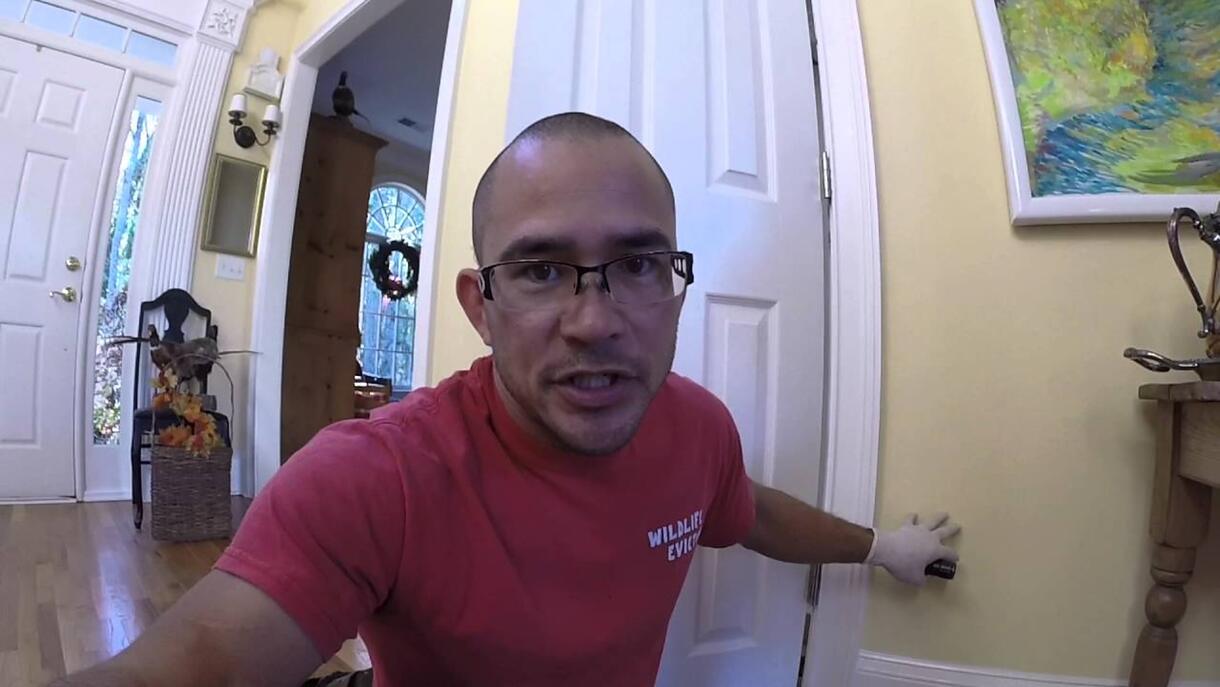
Video: How to remove a dead animal from inside a wall, from Wildlife Evictors.
How a dead rodent removal runs in Fort Worth
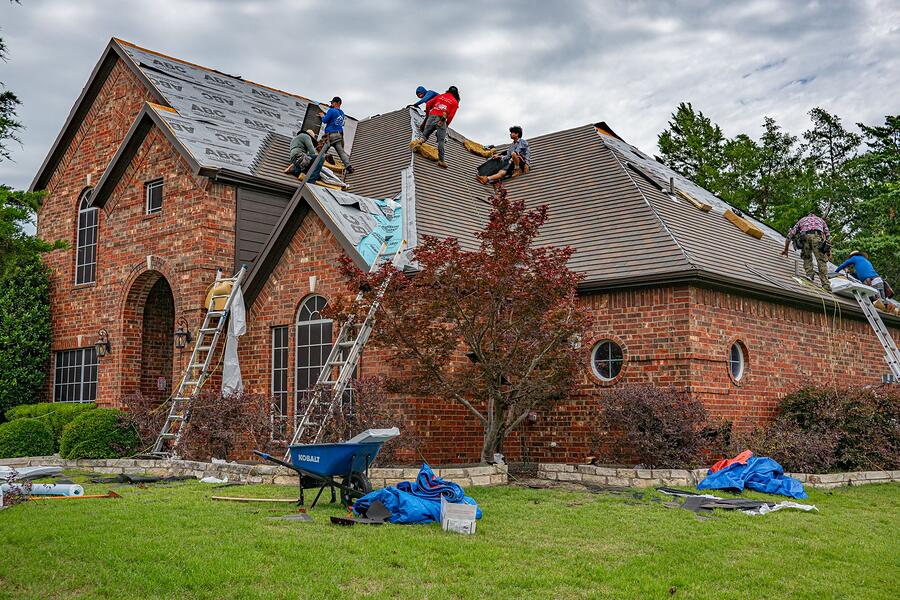
Sealing the entry is the spine of the job, because the carcass in the wall came through an opening that will deliver the next one.
-
Free inspection and search
Whoever attends follows the odor, checks for flies and stains, scopes the likely cavity, and walks the roofline and foundation for the entry. The itemized quote comes from this visit.
-
Seal the entry
The soffit gap, vent, plumbing stack, weep hole or skirting gap the animal used is closed in hardware cloth, sheet metal or mortar before the wall is opened.
-
Open, remove and deodorize
A hand-sized cut is made between studs, the carcass and any soaked insulation are bagged, the framing is disinfected, and the cavity is treated with a deodorizer.
-
Patch and set traps
The cut is patched and floated for paint, and snap traps go on the runs the search found so anything still inside is collected on a trap.
-
Return and verify
A return visit clears the traps, checks the sealed point for fresh gnawing and confirms the odor is gone before the job is signed off.
Ready to start? Call (817) 710-2756 or Book a Free Inspection.
Why Fort Worth homeowners route dead rodent calls here
Getting rid of the odor is the easy half, so these three points cover the half that decides whether it returns.
The cause is fixed along with the smell
A carcass in a wall is the end of a chain that started at an open soffit or a foundation vent and usually ran through a bait station. The EPA puts anticoagulant death at four days to two weeks after feeding begins, which is time enough for the animal to walk back inside. Every removal we route includes the entry point closed in metal and traps set on the same visit, so the smell that brought the call is the last one.
EPA: anticoagulant rodenticides kill four days to two weeks after feeding begins
Removal priced apart from sealing
HomeGuide's 2026 national band for dead rodent removal runs from $150 to $500, and where a quote sits inside it depends on whether the carcass comes out through the attic hatch or through a cut in a second-story wall. The free inspection produces a quote with the removal, the patch, the deodorizing and the sealing on separate lines, so a homeowner can see what each piece costs and compare it against a second bid.
HomeGuide 2026: dead rodent removal $150 to $500 nationally
Traps inside, so the next one is collected
A dead rat in a wall is rarely the only animal in the house, and the way to keep the next one out of the next wall is a snap trap on the run. Trapping, per UF/IFAS, is the method that keeps a poisoned animal from ending up dead inside the walls, and the contractors we route trap indoors and use bait only outdoors in tamper-resistant stations under a certified applicator, when the site calls for it at all.
UF/IFAS: a trapped rat is one that did not die in a wall
What Reddit Says About Dead Rodent Removal in Fort Worth
The dead-animal threads on r/pestcontrol, r/HomeImprovement and r/homeowners are written by people who already paid for a treatment and now have a smell they cannot find. Their advice on vetting is the same as for any rodent job: get more than one bid for the same scope, insist the quote separates the removal from any sealing and cleanup, prefer a local operator to a national brand, and ask whether the company will open and patch the wall or only find the animal.
The red flag that produces most of these threads is a bait-only plan. The line that poison makes the rat go outside to look for water is called out as a myth, and the company that says it is treated as dishonest. The other warnings are quotes that bundle a monitoring contract into the price, companies that come back month after month with no change, and any plan that leaves the entry open, which the threads describe as harvesting rodents.
The questions they tell each other to ask fit this job exactly: what is included and what is a separate line, whether the sealing carries a warranty and whether it renews, whether cleanup and deodorizing are part of the work, how many follow-up visits are included, and what happens if the smell or the noise returns.
Dead-animal odor in a wall is one of the strongest fears in the corpus and drives its own searches. People describe weeks of a smell nobody else will take seriously and a house that no longer feels like theirs.
The contractors we route find the carcass, close the opening it came through and put every line in writing.
A typical dead rodent call in a Fort Worth wall
The situation: A family in a two-story house in the Tanglewood area calls in July about a smell in the upstairs hallway that has grown stronger every day for a week. A pest company had placed bait stations around the foundation a few weeks earlier after scratching in the attic, and the scratching stopped. Now the hallway smells, there are flies at the landing window, and the attic itself, at well over 130 degrees, smells of nothing at all.
What gets done: Whoever attends walks the hallway with the air handler off and finds the smell strongest low on the wall shared with a bathroom, where a warm patch sits above the baseboard. A borescope through a small hole shows the carcass on the bottom plate beside a plumbing chase that runs from the attic. Outside, the inspection finds a rubbed gap at a soffit return under a tree limb and an open plumbing stack boot on the roof. The quote lists the removal, the patch, the deodorizing, the two sealed openings and a week of traps as separate lines. The contractor closes both openings in hardware cloth and sheet metal, cuts a hand-sized rectangle behind the baseboard, removes the carcass and the soaked insulation, disinfects and deodorizes the cavity, patches the cut, and sets snap traps on the chase in the attic.
How it turns out: The hallway smells of joint compound that evening and of nothing a few days later. The traps catch once in the first week and then stay empty, the return visit finds no fresh gnawing at either sealed point, and the family paints the patch the following weekend. The bait stations go in the trash.
Dead rodent questions from Fort Worth homeowners
These are the questions that come with almost every call about a smell in a wall or a ceiling.
Call (817) 710-2756Can I just leave it and wait for the smell to go away?
Waiting is possible, and the smell does fade once the carcass dries, but the timeline depends on the size of the animal, the heat in the cavity and the airflow through it, and a rat in a closed Fort Worth wall in summer takes a long while. Meanwhile flies breed in the cavity, fluids soak into insulation and drywall paper, and a stain can bleed through the paint. Removal ends the smell the same day, and the deodorizer handles what soaked in. Whatever you decide about the carcass, seal the entry and set traps, or the next animal takes the same route.
Do you have to cut the drywall to get a dead rat out?
A cut is needed when the carcass is inside a wall or a floor cavity, and it is a hand-sized rectangle between two studs, placed where the borescope found the animal, often behind a baseboard so the patch disappears. A carcass in the attic comes out through the hatch with no cut, and one under a pier-and-beam floor is reached from the crawl space. The contractor patches, tapes and floats the cut in the same visit, and it is ready for paint once the compound dries.
Why did the smell start after the pest company treated the house?
Because the treatment was bait, and bait works slowly. The EPA notes that most rodenticides are anticoagulants and that death typically follows four days to two weeks after the animal starts feeding, so a rat that ate at a station went back to its nest in the attic or a wall and died there. The scratching stopped and the smell began. UF/IFAS gives the reason to trap indoors instead: trapping reduces the risk of a poisoned animal dying inside the building. The fix now is removal plus sealing plus traps.
Will the smell come back after the rat is removed?
The smell from that carcass ends once it is removed and the cavity is cleaned and deodorized; a smell that returns weeks later is a new animal, which is why the entry point is sealed and traps are set on the same visit. If fluids soaked into insulation that was left in place, a faint odor can hang on in humid weather, so the contractor removes and replaces any insulation the animal lay in. Ask at the inspection whether the deodorizing and the insulation removal are on the quote as their own lines.
Is a dead rat in the wall dangerous to the family?
Treat the carcass and anything it touched as contaminated, and leave the handling to someone in gloves and a respirator. The CDC lists the ways rodent disease reaches people: direct contact with urine, droppings, saliva or a bite, and indirect contact through the fleas, ticks and mites that fed on the animal first. The fleas and mites are the practical concern after a death, since they leave the carcass looking for a new host. The cavity is disinfected before it is closed for that reason. The smell itself is unpleasant and is a reason to act, and the cleanup is what deals with the health side.