Crawl Space Rodent Exclusion in Fort Worth, TX
The pier-and-beam houses of Fairmount, Ryan Place and Arlington Heights sit over a crawl space that rats reach through torn skirting, rusted vents and old plumbing holes. Sealing it in metal is its own job, and licensed contractors handle every one we route.
- Skirting and vents closed in metal
- Burrows dug out and screened
- Free crawl space inspection
What crawl space rodent exclusion in Fort Worth includes
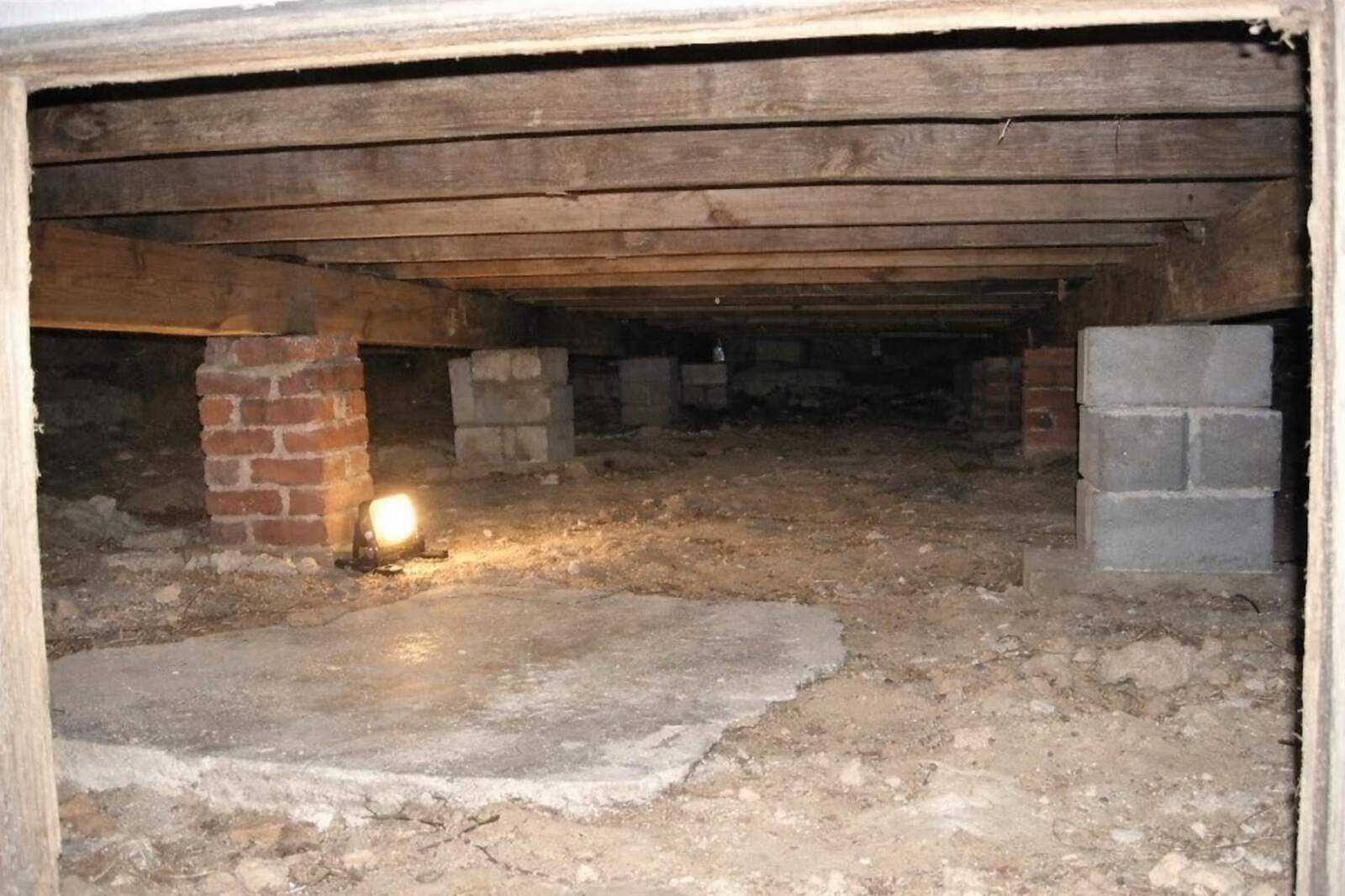
Crawl space rodent exclusion is the sealing of every opening between the ground and the underside of a pier-and-beam house: the skirting, the foundation vents, the pipe and duct holes through the subfloor, the gap where the skirting meets the dirt, and any burrow running under the perimeter. It is a separate job from the roofline, priced on its own line, and it only applies to the older districts because a slab house has no crawl space to seal.
The free inspection covers the perimeter from outside and the crawl space from inside, on hands and knees with a flashlight. Whoever attends maps the skirting damage, tests every vent screen, follows the plumbing and the ducts up to the floor, and looks for burrow openings and packed runs in the dirt. Traps go under the house on the same visit the perimeter closes, because a Norway rat that has been living under the porch will otherwise chew up through the floor. The rodent exclusion page covers the roofline half of a whole-house job.
- A perimeter and under-floor inspection at no charge (see rodent inspection)
- Quarter-inch galvanized hardware cloth over every foundation vent, screwed to the frame
- Torn, rotted or missing skirting panels replaced, with hardware cloth behind wood or lattice
- A buried hardware cloth apron or a mortared footing where the skirting meets grade, so a rat cannot dig under
- Copper mesh and sealant, or sheet metal plates, at drain, supply, gas and duct penetrations through the subfloor
- Burrows dug out, collapsed and screened at the pier or foundation edge
- The crawl space access door rehung with a tight seal
- A written closure list naming the material at each opening
People who call about noises under the floor often describe scratching that comes up through the bedroom boards at night, and a partner who thinks it is the house settling. It is rarely the house.
Signs of rats under a pier-and-beam house
Rats under a Fort Worth crawl space announce themselves with a smell that rises through the floor, scratching or gnawing under a particular room at night, and a burrow entrance in the dirt against a pier or the foundation edge. The roofline signs on the roof rat removal page are different because the animal is different: under the house it is usually the Norway rat.
Outside the perimeter
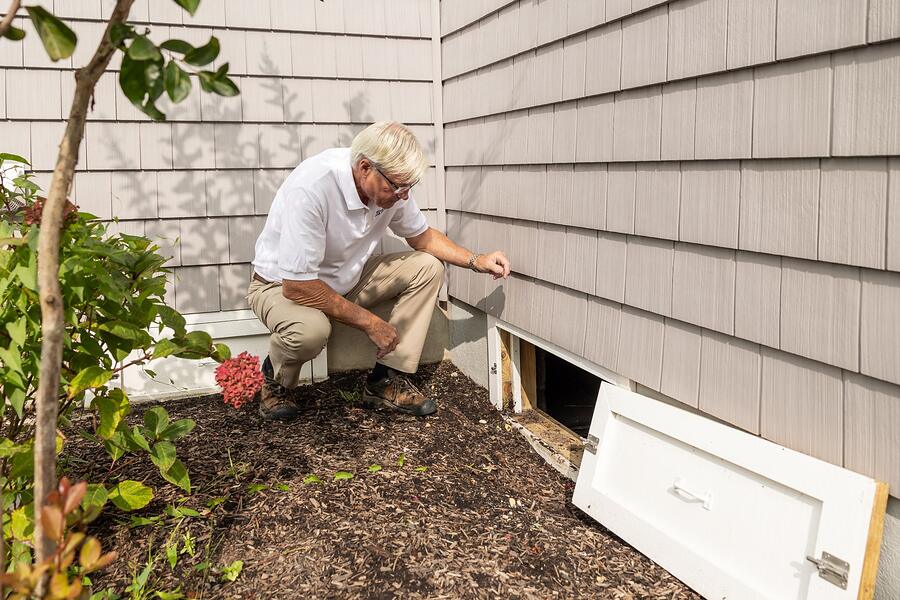
A hole two or three inches across at the base of a porch pier, at the corner of the skirting, or beside a downspout, with a smooth packed path leading to it, is a burrow. Norway rats dig at ground level near foundations, sewers and creeks, and in Fort Worth that means the streets nearest the Trinity River corridor and the older creeks see them most. A skirting panel with a chewed corner, a vent screen pushed in, or a gap at the bottom of the access door are the openings they use once they arrive.
Inside the crawl space
Droppings along the top of a beam, insulation batts pulled down from between the joists, a nest packed into the ductwork insulation, chewed drain or supply lines, and a pipe hole through the subfloor with grease on its edge are the under-floor signs. Wet insulation and chewed duct wrap matter on their own: the Department of Energy notes that compressed and wet insulation performs poorly, so a crawl space that has housed rats through a winter usually needs its floor insulation looked at.
Inside the house
The smell of urine or a dead animal coming from the floor, scratching under the kitchen or a back bedroom, and a rat in the kitchen that came up through the gap around a sink drain are the signs that reach the living space. Fort Worth's summer attic heat drives rats down as well, so a house with roof rats in the attic in winter can have them in the walls and the crawl space by July.
Where rodents get under a Fort Worth crawl space
A crawl space opens to rodents at six places, and most Fort Worth houses built before 1949 have at least three of them open at any one time. The quarter-inch standard that UF/IFAS publishes for rat-proofing applies under the floor the same as at the roofline.
| Opening | Why it is open | Closure |
|---|---|---|
| Skirting panels | Wood rots at the bottom edge, lattice is open by design, metal panels rust and pull away from the framing | Panels replaced or backed with quarter-inch galvanized hardware cloth fastened to the frame |
| Foundation vents | Original screens rust through; louvered vents are chewed at the frame; some were removed for plumbing access and never replaced | Hardware cloth over the vent opening, screwed at the frame, with the vent still passing air |
| The gap at grade | Soil erodes or settles under the skirting bottom, leaving a strip of daylight a rat digs under in a night | A hardware cloth apron buried outward from the skirting, or a mortared or concrete footing along the run |
| Subfloor penetrations | Drain, supply, gas and duct holes through the floor were cut oversize and enlarged by a century of plumbing work | Copper mesh packed and sealed, or a sheet metal plate cut to the pipe and screwed to the subfloor |
| Burrows | Norway rats dig at a pier base or the foundation edge and enter the crawl space from below the skirting line | Burrow dug out and collapsed, the run screened with buried hardware cloth, the entrance mortared or filled with gravel and mesh |
| Access door | The hatch is warped, hung loose, or missing its bottom edge | Rehung with a metal-backed panel and a tight threshold |
The porch is the usual weak point. A front or back porch on a pier-and-beam house has its own set of piers and often its own open skirting, and the gap between the porch framing and the main house is a route straight into the crawl space.
Sealing under the floor against trapping, bait and burrow filling
Sealing the crawl space is the only one of the four methods that keeps the next rat out, and the other three each have a place beside it. Trapping removes what is under the house now. Bait is the wrong tool under a floor. Filling a burrow without screening it is a job the rat reopens in a week.
| Method | What it does | Where it fits |
|---|---|---|
| Sealing in metal | Closes skirting, vents, grade gaps and penetrations so nothing gets in or out | The spine of the job; done first, with traps set the same day |
| Snap trapping under the floor | Removes the animals already living there and confirms when the crawl space is empty | Along the beams and burrow runs, left at least a week |
| Rodenticide bait | Kills over days; the EPA notes most rodenticides are anticoagulants with death typically four days to two weeks after feeding begins | Poor fit under a floor, where the carcass ends up between joists with no way to reach it |
| Burrow filling on its own | Closes the hole for a few days | Only after the burrow is dug out and the run screened in hardware cloth |
Materials under a house
The crawl space is damp, in contact with soil, and out of sight, so the material choice is stricter than at the roofline. Galvanized quarter-inch hardware cloth is the standard for vents, skirting backing and buried aprons because it resists ground moisture and cannot be chewed. Sheet metal plates go at subfloor penetrations where a flat, screwed closure is possible. Copper mesh conforms to the irregular gap around a drain or gas line and holds a bead of sealant behind it. Mortar closes gaps in a brick or block foundation. Expanding foam belongs behind metal as an air seal and nowhere else, because foam against soil crumbles in a season and a rat chews through it in a night.
Which Fort Worth houses have a crawl space?
The pier-and-beam crawl space belongs to the older districts, and a Fort Worth house built after about 1990 on a slab has no crawl space and no crawl space rodent problem. Knowing which kind of house you have decides whether this service is on the quote at all.
Pier-and-beam construction was the norm for the bungalows and Tudor, prairie and craftsman houses built before 1949 in Fairmount, Ryan Place, Crestwood, Arlington Heights and the Cultural District. Fairmount is one of the largest craftsman-bungalow districts in Texas, and nearly every house there sits a foot or more above grade with skirting around the perimeter and vents in it. The Fairmount and Arlington Heights pages describe the housing in each district.
The slab-on-grade tract housing in Alliance and the far north, and in the Chisholm Trail corridor to the southwest, has the opposite profile. The rodent openings on those houses are the ridge vents, the builder-grade soffit corners, the garage door seal and the weep holes in the brick veneer, and they are covered on the rodent exclusion page. There are no basements anywhere in Fort Worth, so the choice is only ever between a crawl space and a slab edge. A quick way to tell: a house with a floor that gives slightly underfoot and a vent or lattice panel low on the outside wall is pier-and-beam.
Will the rats just dig back under the new skirting?
A Norway rat will dig under skirting that stops at the dirt, and it will fail against skirting that is backed with hardware cloth turned outward and buried, which is why the grade line is the most important closure on the job. New panels on their own are a cosmetic fix.
The method that holds is an apron. Quarter-inch galvanized hardware cloth is fastened to the bottom of the skirting frame and run outward under the soil for a foot or so, so an animal digging down at the wall meets mesh and stops. Where the skirting sits on a brick or block footing, the footing is mortared and the mesh tied into it. Burrows already in place are dug out and collapsed first, because screening over an active burrow leaves the animal inside.
The other half of the answer is the traps. UF/IFAS notes that roof rats are wary of new objects and advises leaving traps in place at least a week; the same patience applies under a floor. Traps set along the beams the day the perimeter closes catch what was already under there, and a quiet week afterward is the confirmation that the apron and the vents are doing their job.
What crawl space rodent exclusion costs in Fort Worth
Crawl space sealing is quoted inside HomeGuide's 2026 national full-home exclusion band of $500 to $2,500, on its own line, and no Fort Worth-specific survey exists, so the free inspection is what turns the band into a number for a specific house. The bands below are typical-job ranges to budget against and every one is confirmed at the inspection.
| Line item | National band (HomeGuide 2026) |
|---|---|
| Exclusion sealing (crawl space as part of full-home) | $500 to $2,500 |
| Trapping and removal under the floor | $250 to $1,200 |
| Standalone inspection | $0 to $175 (free here) |
| Dead rodent removal from under the floor | $150 to $500 |
| Insulation removal and replacement, if the floor batts are ruined | $2.50 to $5.50 per sq ft |
What moves a crawl space quote inside the band is the length of skirting to replace, the number of vents, how many penetrations come up through the floor, and whether an apron has to be trenched around the whole perimeter or only along one side. A bungalow with sound skirting, four vents and two pipe holes sits at the bottom. A house with rotted skirting on three sides, a porch with its own open perimeter, a burrow system and ruined floor insulation sits at the top, and the insulation is a separate line. Ask whether the trapping and the return visit are inside the number and whether any monthly plan has been bundled in.
Crawl spaces, creeks and the Fort Worth rat season
Crawl space work in Fort Worth is a pre-1949 problem shaped by the Trinity River, the live oak canopy and a season that peaks in late winter. Each of the three changes what whoever attends looks for under the house.
Norway rats along the river and the creeks
Norway rats burrow at ground level near foundations, sewers and creeks, and the Trinity River corridor runs through and beside the older districts. A house a few blocks from the river or one of its creeks is more likely to have a burrow at the foundation than a house on the prairie edge in the far north, where the pressure is roof rats displaced by land clearing. Under the floor, the Norway rat is the usual tenant and the burrow is the usual entry.
Roof rats coming down
The same pier-and-beam houses carry a live oak canopy on the roof, and roof rats that entered at the soffit in January move down through the walls when the attic reaches 130F and more in summer. A crawl space with an open pipe hole under a bathroom is where they come out, which is why a Fort Worth crawl space job in July often starts with a roofline the family thought was sealed.
Season and the license
Calls ramp in fall and peak in January and February, and mild winters keep roof rats breeding close to year-round. A crawl space sealed before October meets the season closed. Rats and mice fall under the Pest Control category of the Texas Structural Pest Control Act, Occupations Code chapter 1951, and every contractor we route holds a TDA structural pest control business license with a certified applicator. The TDA current-license lookup confirms it before work starts.
What to ask before the skirting goes on
A crawl space exclusion quote should show each opening with a material beside it, state how the grade line is being closed, price the trapping and any return visit on their own lines, and put the warranty term in writing. A quote that says skirting replaced and nothing about the apron or the vents has left the two most used openings out.
- Which openings were found under the house, and is each on the quote with a material beside it?
- How is the gap at grade being closed: a buried hardware cloth apron, a mortared footing, or nothing?
- Are the burrows being dug out and screened, or only filled?
- Do the foundation vents stay open to air after the hardware cloth goes on?
- Are traps set under the floor on the same visit, and how many return visits are included?
- Does a warranty cover the sealing, for how long, and can it be renewed?
- What is the TDA structural pest control business license number, and does the lookup confirm it?
Warranty terms differ from one contractor to the next, and the question is what is covered and whether it is in writing. The about page explains what the routed contractors are expected to put on paper, and the contact page starts the free inspection. If the smell under the floor is the problem that brought you here, the dead rodent removal page covers that part of the visit.
Services that usually go with this one
A Fort Worth job tends to run as a sequence, and these pages describe the steps on either side of this one.
- Rodent Exclusion: Soffit returns, gable and ridge vents, plumbing stacks, weep holes and skirting closed in steel mesh and sheet metal.
- Rodent Inspection: A free walk of the roofline, attic, crawl space and yard that ends in a written report with each line priced on its own.
- Dead Rodent Removal: Finding the carcass behind the smell, taking it out and closing the route it used.
The about page explains how the parts fit together, and the phone is answered at any hour.
Closing a soffit
The repair at the point rodents use most.
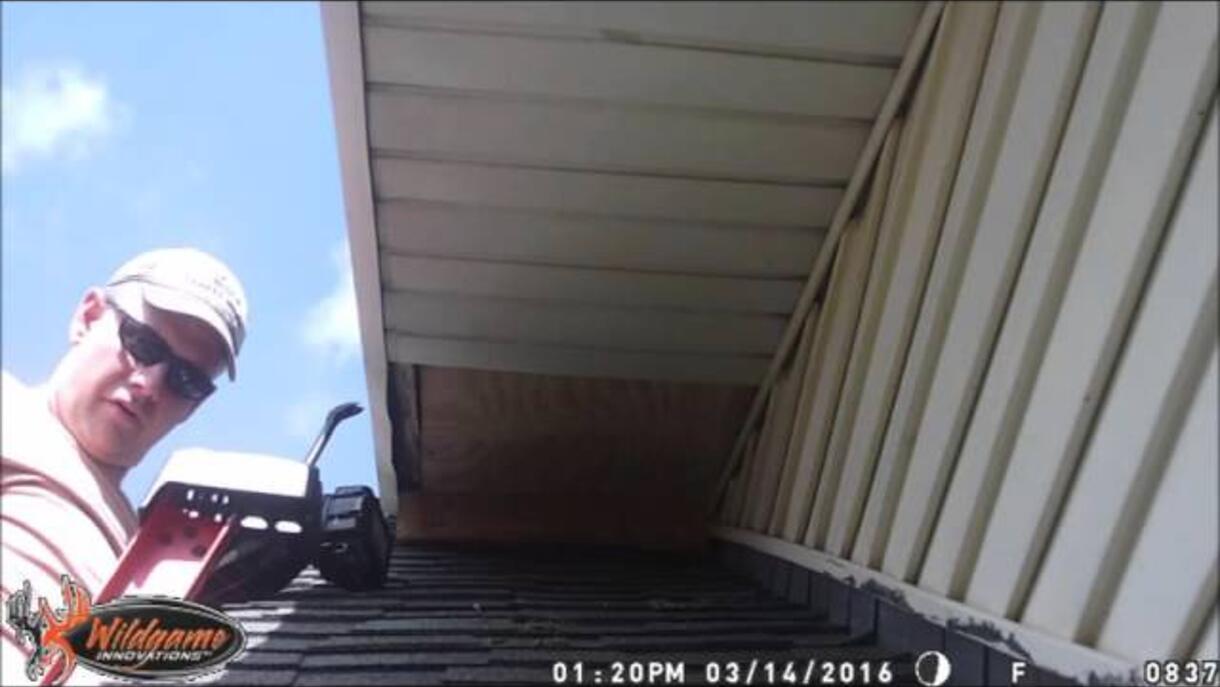
Video: Soffit fix for squirrels and raccoons, from Frontline Animal Removal.
How a crawl space exclusion runs in Fort Worth
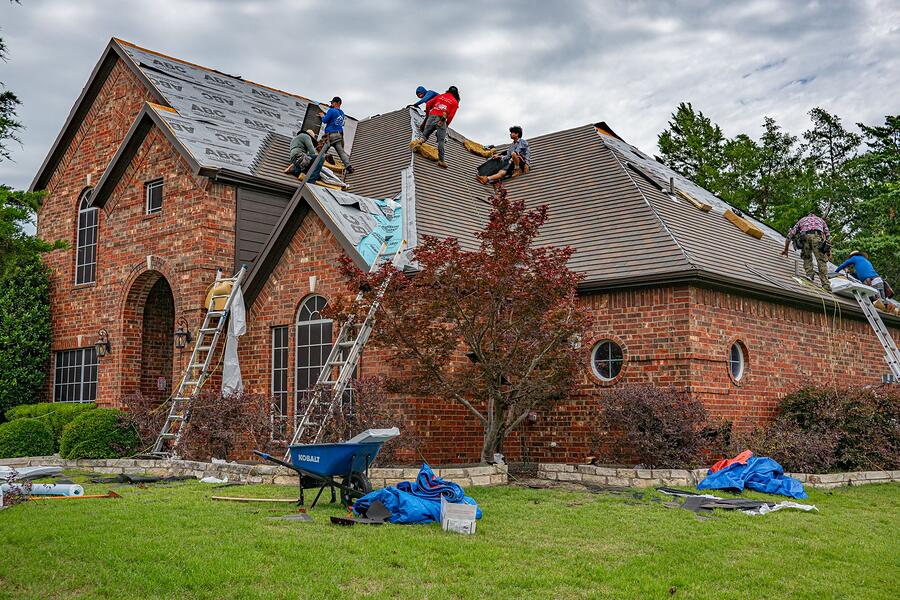
The perimeter is closed first, and the trapping and the verification are built around that closure.
-
Free perimeter and under-floor inspection
Whoever attends walks the skirting from outside, then goes under the house to map the vents, penetrations, burrow runs and damage. The quote lists each opening with a material and prices the crawl space as its own line.
-
Close the perimeter
Vents get hardware cloth, skirting is replaced or backed in mesh, the grade line gets a buried apron or a mortared footing, and burrows are dug out, collapsed and screened.
-
Close the floor and set traps
Subfloor penetrations are plated or packed in copper mesh from below, and snap traps go along the beams and burrow runs the same day. They stay at least a week.
-
Return visit and closure list
Fresh droppings, gnawing and smell are checked, any missed opening is closed, and you receive a written list of every closure with the material used.
Ready to start? Call (817) 710-2756 or Book a Free Inspection.
Why Fort Worth homeowners route crawl space work through us
Work under a Fort Worth floor follows three rules that keep the carcasses out of the joists and the skirting shut for good.
Traps under the floor instead of bait
The contractor we route seals the crawl space and sets snap traps under it, and keeps rodenticide out of the job. The EPA notes that most rodenticides are anticoagulants and that a rat that feeds on one typically dies four days to two weeks later, which under a pier-and-beam house means a carcass between the joists under a bedroom with no way to reach it. Traps put the animal where it can be removed, and a quiet week of empty traps is how the job is confirmed finished.
EPA: most rodenticides are anticoagulants; death typically 4 days to 2 weeks after feeding begins
A week of traps before the last panel goes on
Rats are suspicious of anything new, and a trap checked after one night tells you nothing. UF/IFAS advises leaving traps in place at least a week, and the contractor we route runs the crawl space traps for that week before the return visit that closes the final opening and writes the closure list. The apron and the vents keep new animals out in the meantime; the week is what confirms the old ones are gone.
UF/IFAS: leave traps in place at least a week; rats are wary of new objects
Sealed against a population that never stops breeding
A female roof rat reaches maturity at three to four months, carries a litter for three weeks, and produces five to eight pups four or five times a year, by UF/IFAS figures, and Fort Worth's mild winters barely interrupt that. Trapping under a house without closing it is a standing appointment. The contractor we route closes the skirting, the vents, the grade line and the floor in metal first, so the trapping under the house is a finish and never a routine.
UF/IFAS: maturity at 3 to 4 months, gestation 21 to 23 days, litters of 5 to 8, 4 or 5 litters a year
What Reddit Says About Crawl Space Rodent Exclusion in Fort Worth
Crawl space threads on r/pestcontrol and r/HomeImprovement are shorter than attic threads and more practical, because the homeowner has usually been under the house with a flashlight already. The advice on vetting is the same as for any sealing work: get several bids for the same scope, insist that the sealing is priced apart from the trapping, and ask whether the company does the repair work itself or only sets traps. One thread describes a 1925 craftsman with a fifteen-inch crawl space solved by screening the whole perimeter, and it is the model for what people recommend to each other.
The red flags are familiar. Trapping with nothing sealed is called harvesting rodents. Bait under a floor draws warnings about a dead animal that cannot be reached and a smell that lasts weeks. Quotes that fold a monthly plan into the price, and companies that come back month after month with no change, are named as the pattern to avoid. Prices for similar sealing work in the threads run from under two thousand dollars to tens of thousands, and the question underneath is whether the homeowner is being taken advantage of.
The questions people tell each other to ask fit a crawl space well. What exactly is included and what is a separate line? Is the exclusion warrantied, and does it renew? How many follow-up visits are included? What happens if they come back? Will you clean up, or only seal and trap? Dead-animal smell in a floor or a wall is a fear that drives its own searches, and rodent mites after the animals are gone come up as an aftermath nobody warned them about.
The contractors we route price the crawl space as its own line, name the material at each opening, and answer the warranty question in writing before the skirting goes on.
A typical crawl space call in Fort Worth
The situation: A couple in a Fairmount craftsman bungalow has smelled something under the back bedroom for two weeks and hears digging under the kitchen after dark. The wood skirting along the back of the house is torn away at two panels, the lattice under the back porch is open, and there is a hole the size of a fist at the base of the rear porch pier with a packed run leading to it from the alley fence. A neighbor told them it was probably a possum.
What gets done: Whoever attends walks the perimeter and finds the burrow at the porch pier, a second entrance under the torn skirting, two foundation vents with rusted screens, and a drain hole under the kitchen sink that opens to the crawl space. Under the house there are droppings along the rear beam and a nest in the duct insulation. The burrow is dug out and collapsed and the run screened with buried hardware cloth. The torn panels are replaced with hardware cloth behind them and an apron buried along the whole back wall. Both vents get quarter-inch galvanized hardware cloth screwed to the frame, the lattice under the porch is backed in mesh, and the drain hole is plated from below. Snap traps go along the beam and at the old burrow run the same afternoon.
How it turns out: The traps take two Norway rats in the first nights and then stay empty. The return visit finds no new droppings and no fresh digging at the apron, the source of the smell is located and removed under the back bedroom as its own line, and the couple keeps a closure list naming the burrow, the two panels, the apron, the two vents, the porch lattice and the drain plate with the material used at each.
Crawl space questions from Fort Worth homeowners
These are the questions that come up when the noise or the smell is under the floor instead of over the ceiling.
Call (817) 710-2756Is it a rat or a possum under my house?
A hole two or three inches across with a smooth packed run to it, digging sounds at night, and small droppings along the beams point to a Norway rat. A larger animal leaves a larger entrance, tears instead of gnawing, and is usually heard as slow movement. The free inspection settles it under the house with a flashlight. If it turns out to be an opossum, a raccoon or a skunk, Texas Parks and Wildlife rules apply to that part of the job, and raccoons and skunks cannot be relocated because of the state rabies quarantine. Rats and mice fall under the TDA pest control license alone.
Do the foundation vents have to stay open after they are screened?
Yes, and quarter-inch hardware cloth is chosen because it stops the animal and passes air. A pier-and-beam crawl space needs cross ventilation to keep the framing and the floor insulation dry, and the Department of Energy notes that wet insulation performs poorly. Blocking a vent with foam or a solid panel to keep rats out trades a rodent problem for a moisture problem. The contractor we route screws mesh over the vent opening, replaces any vent that has rusted out, and leaves the airflow alone.
Should I put bait under the house instead of traps?
Bait under a floor is how a house ends up with a smell nobody can reach. Most rodenticides are anticoagulants, and the EPA puts the time from first feeding to death at typically four days to two weeks, during which the animal goes back to where it sleeps, which under a pier-and-beam house is between the joists. Snap traps along the beams and burrow runs put the carcass where it can be removed on the next visit. Sealing is what stops the next one, and it is done first either way.
How long does it usually take to get rid of rats under the house?
Most crawl spaces are sealed in one visit, with traps running a week or two afterward and a return visit to confirm. HomeGuide puts trapping a small number of animals at two to three days and a severe infestation at one to two months, and a crawl space with an established burrow system sits toward the longer end until the perimeter is closed. Closing the apron and the vents on the first day is what brings a Fort Worth job down to a week or two of empty traps.
What about the smell and the insulation after the rats are gone?
The smell is a carcass or soaked insulation and both are separate lines on the quote. A dead animal under the floor is located and removed on the return visit, and the dead rodent removal page covers that work. Floor insulation that has been nested in or soaked is removed and replaced, because the Department of Energy notes that compressed and wet insulation does not perform, and HomeGuide's national band for removal and replacement runs $2.50 to $5.50 per square foot. Neither is bundled into the sealing price without being named.