Rodent Removal in Mansfield, TX
Mansfield went from a mill town of a few thousand people in 1970 to more than 72,000 by 2020, and nearly all of that housing stands on what was farmland a generation ago. One call books a free attic and roofline inspection from a licensed contractor.
- Free attic and roofline inspection
- Phone answered 24 hours a day
- TDA-licensed contractors on every job
Free Inspection in Mansfield
The free inspection on a Mansfield house starts at the roof-to-wall junctions, because that is where a builder-grade soffit opens. Whoever attends checks every place a lower roof meets a taller wall, the ridge vent, the roof returns at the porch and garage, the weep holes in the brick veneer and the seal at the bottom of the garage door, then goes into the attic to read droppings, rub marks and the paths worn into the blown insulation. On a two-story house from the 2000s the attic is tall and the insulation deep, so the runs along the top plates are what give the animal away. The written findings put trapping, sealing and cleanup on separate lines so each carries its own price.
Mansfield sits southeast of Fort Worth along U.S. Highway 287, mostly in Tarrant County with parts of the city in Johnson and Ellis counties, and the contractor we route usually comes from the south side of the county. The phone is answered 24 hours a day. Book a free inspection and tell us what you hear and when it starts each night.
Mansfield subdivisions from the 1990s to the 2010s open at the builder soffit
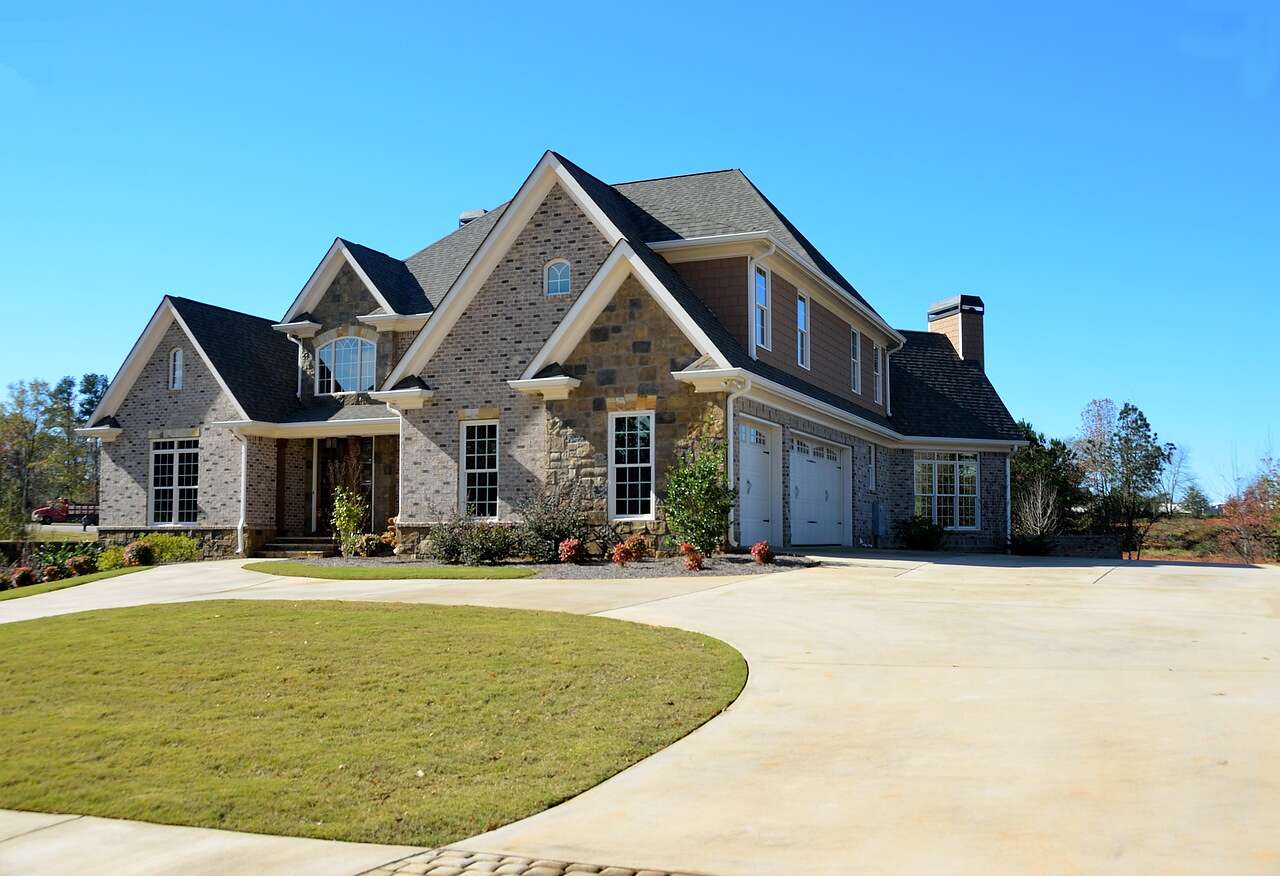
Nearly every Mansfield house is a slab-on-grade brick-veneer home built in the last thirty years, and those houses have a known set of gaps. The city held about 15,600 people in 1990, 28,000 in 2000 and 56,000 by 2010, and the subdivisions that carried that growth went up fast on land that had grown wheat since the 1850s. They share a build: slab foundation, brick veneer over a wood frame, a tall trussed roof with a ridge vent, prefinished soffit panels, and a two- or three-car garage facing the street. There are no basements and no crawl spaces.
The gaps are at the joints. Where a garage roof or a porch roof meets the wall of the main house, the soffit panel stops short of the brick and leaves a triangular opening into the attic that a roof rat walks through without touching anything. The ridge vent baffle on a house of this age is often plastic and chews open. The weep holes along the bottom brick course are open by design and sit at the height a Norway rat works. UF/IFAS puts the rat-proofing standard at a quarter inch, and a builder soffit gap is often several inches. Rodent exclusion on a Mansfield house means sheet metal at every roof-to-wall gap, steel mesh at the ridge and gables, mesh weep-hole inserts and a new garage door seal.
Building on former farmland pushes rodents into the newest streets
The newest subdivisions in Mansfield sit against pasture and cropland still being cleared, and that is where the field rodents go when the ground is scraped. Mansfield grew up around the steam gristmill that Ralph Man and Julian Feild built in the 1850s to grind the wheat of southeastern Tarrant County, and the fields that fed it are the same ground the subdivisions now cover. Every phase of a new development moves the animals that lived on that ground into the finished houses next door, and the first fall after a field is cleared is when the calls from the adjoining streets come in.
The pattern is predictable enough to plan for. Rodent calls across the Fort Worth area ramp in fall and peak in January and February as the animals move into attics for warmth, so a house on the pasture edge is best sealed before October. A first-year house with the builder soffits closed and the garage seal fitted before the first cold night usually never gets the noise at all. A free rodent inspection on a new build is short and tells you which joints need metal before winter.
The historic downtown and Walnut Creek have the older houses and the burrowing rats
The blocks around Mansfield's preserved downtown corridor hold the oldest houses in the city, and Walnut Creek runs right past them. The town was first called Walnut Creek after the stream, which rises northeast of Keene in Johnson County and flows through Mansfield on its way northeast, with the city's linear park trail following its banks and Watson Branch joining it near U.S. 287. The railroad reached the town in 1886, and the houses that went up near the mill and the depot in the decades after include pier-and-beam construction with a crawl space, foundation vents and skirting.
The creek and its greenbelt bring Norway rats, which burrow at ground level near foundations and water. On an older downtown house the animal enters through a torn foundation vent or a gap in the skirting; on a newer house backing onto the linear park it comes in at a weep hole or under a garage door. Roof rats still take the attic calls on both, traveling the pecans and hackberries along the creek onto the roof. Roof rat removal handles the attic side, and crawl space rodent exclusion handles the vents and skirting on the pier-and-beam houses downtown.
What We Handle in Mansfield
Mansfield calls are mostly roof rats through builder soffit gaps on subdivision houses, with Norway rats along Walnut Creek and the older streets downtown.
- Roof rat removal: trapping in the tall attic of a 2000s two-story, with traps kept in place at least a week because roof rats are shy of new objects, per UF/IFAS.
- Rodent exclusion: sheet metal at every roof-to-wall soffit gap, steel mesh at the ridge vent and gables, weep-hole inserts along the brick, and a fresh garage door seal.
- Rodent inspection: free, and on a newer house it is short: the roof joints, the garage, the ridge and the attic.
- Attic cleanup: removing droppings and fouled insulation from a deep attic where a season of activity has been hidden under the fill.
- Attic insulation replacement: new blown fill where runs have packed it flat, since the Department of Energy states compressed insulation does not deliver its rated R-value.
- Crawl space rodent exclusion: foundation vents and skirting on the pier-and-beam houses near the historic downtown.
- Rodent clearance letters: a written all-clear after treatment for a sale in a subdivision where houses change hands often.
A Typical Mansfield Job
The situation: A couple in a two-story brick house built in the mid-2000s on the south side of Mansfield, in a subdivision with a pasture still open behind the back fence, hear a scrabbling sound in the wall behind the upstairs closet in early October. The developer began clearing the next phase in September. They have checked the closet a dozen times and found nothing, and the wife has started sleeping downstairs. A friend tells them it is probably a bird.
What gets done: The inspection finds the soffit gap where the garage roof meets the second-story wall open by three inches, with rub marks on the brick below it and roof rat droppings on the attic side, a quarter to half an inch long with pointed ends. The rats have followed the top plate to the closet wall and dropped into the void. The contractor we route sets snap traps on the plate run and in the attic above the closet, closes the ridge vent and the other roof-to-wall joints with sheet metal, and leaves the garage-side gap open with a trap in front of it. A second visit clears the traps and closes the last gap once no new sign appears, and the garage door gets a new bottom seal on the same trip.
How it turns out: The scrabbling ends within ten days. The final report lists every sealed joint with a photograph, and the couple have their sealing done before the first cold night in November instead of after it. She moves back upstairs.
What This Costs in Mansfield
A typical Mansfield rodent job falls within the published national bands, and the free inspection settles which of these lines the house needs.
| Work | National band (HomeGuide 2026) |
|---|---|
| Inspection | Free here; charged at $0 to $175 nationally when sold on its own |
| Trapping and removal | $250 up to $1,200 |
| Full-home exclusion | $500 up to $2,500 |
| Attic cleanup and decontamination | $600 up to $2,500 |
| Attic insulation removed and replaced | $2.50 to $5.50 for each square foot |
| Dead rodent removal | $150 up to $500 |
A Mansfield subdivision house usually sits in the middle of the exclusion band: the roof-to-wall joints are the main work, and there are several of them on a two-story with a porch and a garage, but there is no crawl space to screen and the attic is usually clean enough to skip a full cleanup if the call comes early. Ask whoever attends to price trapping, sealing and cleanup separately, and ask what the sealing warranty covers and how long it runs.
The order an attic job runs in
Five stages, from inspection through to cleanup.
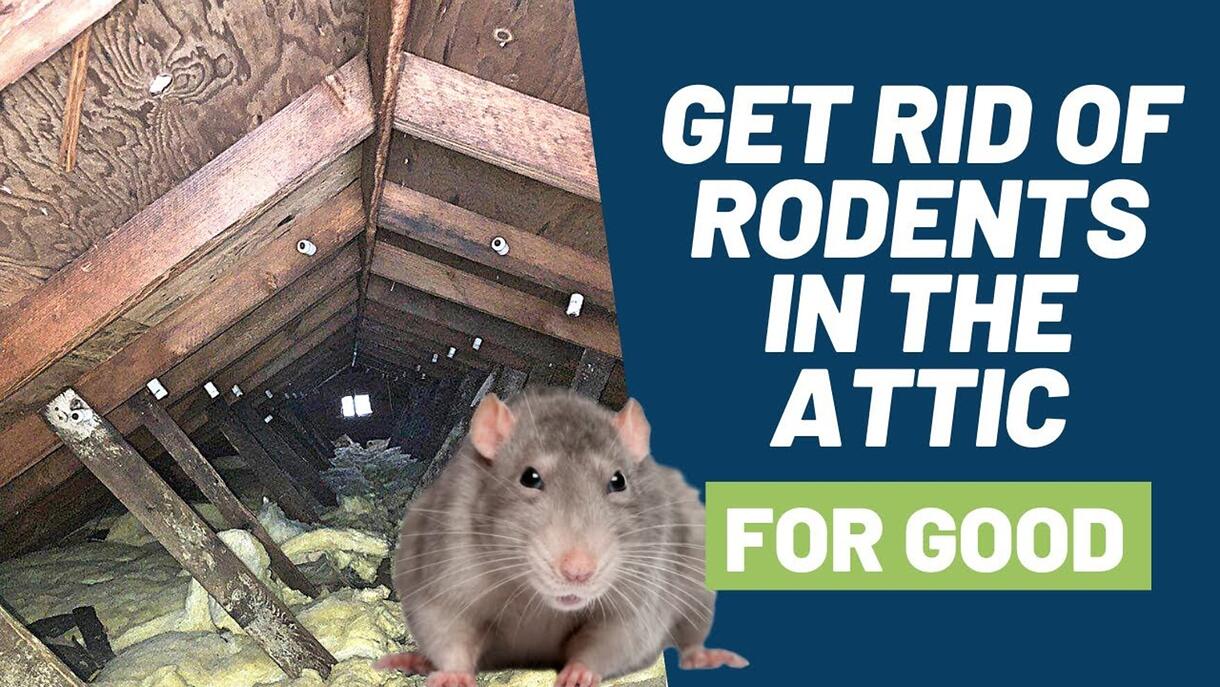
Video: 5 Step Solution to Get Rid of Rodents in Your Attic, from Atticare Construction.
Common Questions in Mansfield
What callers from Mansfield want to know before they book.
Call (817) 710-2756Is it safe to do exclusion before trapping?
Sealing everything at once with animals still inside is the one order that goes wrong. The usual sequence on a Mansfield house is to close every opening except the active one, trap along the runs, and close the last gap once the traps go quiet, which keeps a rat from being shut into a wall void where it dies. A carcass in the wall is the outcome people fear most after a bait-only job, and the EPA notes most rodenticides are anticoagulants that take four days to two weeks to kill, so the animal has time to get somewhere you cannot reach. Trapping plus sealing avoids that.
How long does it usually take to get rid of rats in a Mansfield house?
A newer Mansfield house caught in the first season usually clears in two weeks. HomeGuide puts trapping a few animals at two to three days and a severe infestation at one to two months, and traps stay down at least a week because roof rats are wary of anything new, per UF/IFAS. The tall attics and deep insulation on a 2000s two-story can hide a colony for a full winter before anyone hears it, and those houses run longer. Sealing before October is what keeps a repeat off next year's calendar.
My house is only a few years old. How are rats getting in?
New houses open at the joints the builder left. The soffit panel stops short where a garage or porch roof meets a taller wall, the ridge vent baffle is plastic, the weep holes are open by design and the garage door seal is thin rubber. A roof rat needs half an inch and a mouse a quarter inch, per UF/IFAS, and a builder soffit gap is often wide enough to see daylight through from the attic. Sealing those joints with metal on a house this age is a short job.
Who is licensed for rodent work in Tarrant, Johnson and Ellis counties?
The license is a state one, so it reads the same in all three counties Mansfield touches. The Texas Structural Pest Control Act requires a business license from the Texas Department of Agriculture's Structural Pest Control Service and a certified applicator, and rats and mice fall under the Pest Control category. Every contractor we route into Mansfield holds a TDA structural pest control business license. Check it through the TDA current-license lookup before the first visit, and ask for the insurance certificate at the same time.
Nearby Areas We Serve
The contractors who cover Mansfield also cover the towns next to it, and the service area takes in Tarrant County together with the rest of the Fort Worth metro.