Rodent Removal in Grapevine, TX
Grapevine is the oldest settlement in Tarrant County, with a restored Main Street, a lake on one side and the airport on the other, and its houses run from pier-and-beam cottages to 1990s brick. One call books a free inspection from a licensed contractor.
- Free attic and roofline inspection
- Phone answered 24 hours a day
- TDA-licensed contractors on every job
Free Inspection in Grapevine
The free inspection on a Grapevine house depends on which Grapevine house it is. On the older blocks around Main Street whoever attends starts under the house, at the skirting and the foundation vents of a pier-and-beam cottage, then works the roofline and the attic. On the brick subdivisions to the north and south the list is the roof and the garage: ridge vent ends, gable vents, the soffit-to-brick seam, the returns and the door seal. Either way the attic is read for droppings, rub marks and trails through the insulation, and the written findings put trapping, sealing and cleanup on separate lines.
Grapevine sits in northeast Tarrant County, north of Fort Worth along State Highway 114 and 121, between Southlake and the west side of DFW Airport, so the contractor we route usually comes from the northeast side of the county. The phone is answered 24 hours a day. Book a free inspection and say what you hear and which room it is above.
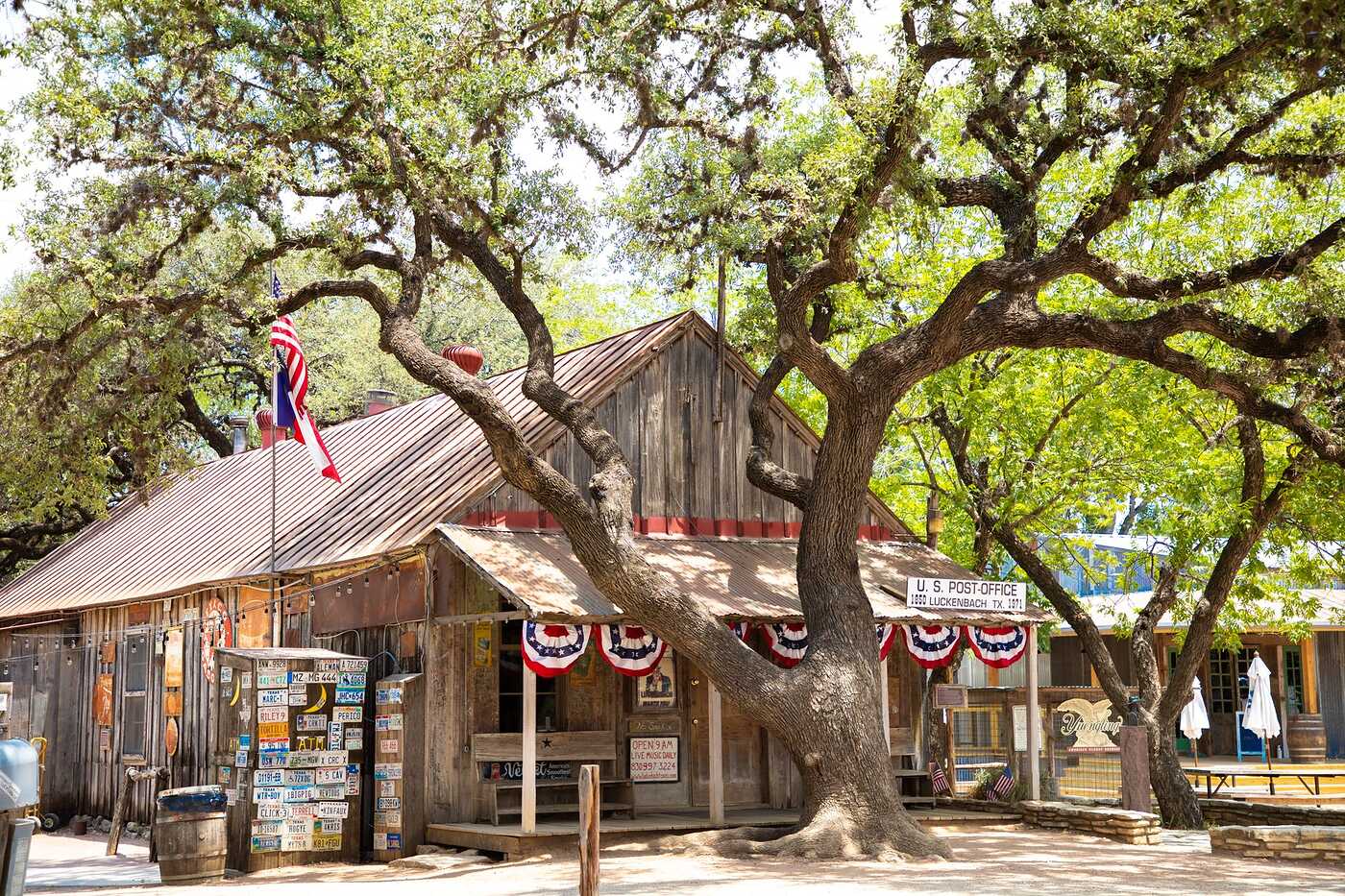
The old town around Main Street has pier-and-beam houses and a century of roofs
Grapevine was founded in 1844, the last year of the Republic of Texas, by families from Missouri who settled along Denton Creek on the Grape Vine Prairie, and it stayed a farm town on the railroad for a hundred years. The blocks around the restored Main Street hold the county's oldest housing: wood-frame cottages and bungalows on piers, with a crawl space, skirting, foundation vents, and roofs that have been replaced many times over decking that is no longer square. The old trees on those lots reach the eaves.
A house like that has two fronts. Roof rats, which UF/IFAS describes as animals that travel along branches and wires, come in at the eave, the gable and the old plumbing stacks; Norway rats come in under the skirting and up the plumbing chases. The rat-proofing standard is a quarter inch, and a 1920s cottage has gaps wider than that at both ends. Crawl space rodent exclusion closes the bottom of an old Grapevine house while rodent exclusion closes the top.
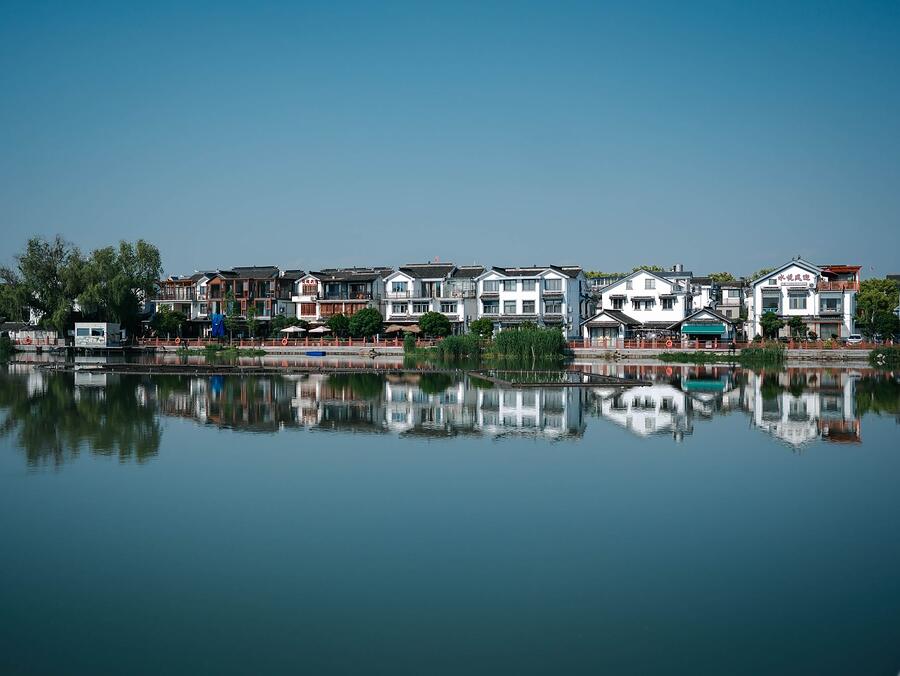
Grapevine Lake on one side, the airport on the other
The Corps of Engineers dammed Denton Creek between 1948 and 1952 and the lake it made covers more than 7,000 acres with about 60 miles of shoreline along the city's north edge. The wooded corps land and the creeks that drain to it are Norway rat country, and the neighborhoods nearest the water see burrowing rats at foundations, under docks and decks, and in boat and pool enclosures. On the east side the Gaylord Texan and the hotels, restaurants and shopping around the airport approach generate the commercial calls, where dumpster corrals and shared service alleys move rats between tenants.
Between the two, the subdivisions built from the 1970s through the 1990s are slab-on-grade brick with composition shingle roofs and blown insulation, entered at the roofline and the garage like the rest of the Mid-Cities. Calls ramp in the fall and peak in January and February when the animals move indoors for warmth, and a house between the lake and the airport is worth sealing before October. Commercial rodent control covers the hospitality side with a service log for the file.
What We Handle in Grapevine
Grapevine calls run to roof rats and Norway rats in the old cottages by Main Street, roof rats in the brick subdivisions, and commercial work around the lake and the airport.
- Roof rat removal: trapping on the attic runs, with traps left at least a week because roof rats are wary of new objects, per UF/IFAS.
- Rodent exclusion: eaves, gables, stacks and ridge ends on old and new roofs closed in hardware cloth and sheet metal.
- Crawl space rodent exclusion: skirting, foundation vents and plumbing chases on the pier-and-beam houses near downtown.
- Rodent inspection: free, covering the crawl space where there is one, the roof, the attic, the garage and the trees.
- Attic cleanup: droppings and soaked insulation removed from an attic that has carried rats through a winter.
- Dead rodent removal: finding and removing a carcass in a wall or under a floor after a poison-only attempt.
- Commercial rodent control: hotels, restaurants and retail around the airport and Main Street, with documentation.
A Typical Grapevine Job
The situation: A couple who bought a 1920s frame cottage a few blocks from Main Street hear something under the kitchen floor in the evenings from October, then a run across the bedroom ceiling once the first freeze arrives in December. The previous owner had left a box of bait in the crawl space.
What gets done: The free inspection finds two foundation vents with rusted screens, a gap under the skirting where the back porch was added, an open soffit return at the porch roof and a plumbing stack flashed with a cracked boot. Norway rat burrows sit against the pier beside the kitchen and roof rat droppings run along the attic top plate. The contractor we route removes the old bait, closes the vents, the skirting gap and the boot that day, traps under the floor and in the attic for a week, and leaves the porch return as the last opening.
How it turns out: Two Norway rats under the floor and one roof rat in the attic in the first week, the porch return closed on the second visit, and the report listing the crawl space and the roofline as separate sealing lines beside the trapping.
What This Costs in Grapevine
A typical Grapevine rodent job falls inside the published national bands, and where in the band depends on whether the house has a crawl space.
| Work | National band (HomeGuide 2026) |
|---|---|
| Inspection | Free here; $0 to $175 as a standalone service nationally |
| Trapping and removal | $250 to $1,200 |
| Full-home exclusion | $500 to $2,500 |
| Attic cleanup and decontamination | $600 to $2,500 |
| Attic insulation removal and replacement | $2.50 to $5.50 per square foot |
| Dead rodent removal | $150 to $500 |
A pier-and-beam cottage near Main Street sits toward the top of the exclusion band because the skirting and vents have to be closed around the whole perimeter as well as the roof, while a 1990s brick house near the lake with a few roofline points sits in the lower half. Ask whoever attends to price trapping, sealing and cleanup on separate lines and to explain the sealing warranty.
Keeping rodents out once they are gone
Three approaches, and why sealing is the one that lasts.
Video: 3 Ways To Get Rid Of Mice or Rats, And Keep Them Out!, from Everything Homestead.
Common Questions in Grapevine
What callers from Grapevine want to know before they book.
Call (817) 710-2756Should I use the bait the last owner left?
No. The EPA notes that most rodenticides are anticoagulants and that a rat takes four days to two weeks to die after it starts feeding, which on a pier-and-beam house means it dies under the floor or in a wall. UF/IFAS states that trapping lowers the chance of a poisoned animal dying inside the building. Old bait in a crawl space also feeds the next arrivals. The contractor we route removes it and traps instead.
How long does it usually take to get rid of rats in an old house?
Two to three weeks when both ends of the house are sealed on the first visit. HomeGuide puts trapping a few animals at two to three days and a heavy infestation at one to two months, and UF/IFAS advises leaving traps down at least a week. A cottage that has carried rats under the floor for years, with bait boxes and no sealing, sits toward the longer end.
Can the work be done without changing a historic exterior?
Yes. On the Main Street blocks the sealing is hardware cloth fitted behind the foundation vents and from inside the attic, sheet metal at the porch return painted to match the trim, and a new boot on the stack. The skirting is repaired in kind. Nothing visible from the street changes, and the report photographs each point for the file.
Who is licensed for this in Tarrant County?
Rodent control for pay in Texas needs a structural pest control business license from the Texas Department of Agriculture and a certified applicator under the Structural Pest Control Act, and rats and mice fall in the Pest Control category. Every contractor we route into Grapevine holds that license. Check the TPCL number on the department current-license list before work begins and ask for proof of insurance.
Nearby Areas We Serve
The contractors who cover Grapevine also cover the towns next to it, and the service area takes in Tarrant County together with the rest of the Fort Worth metro.