Rodent Removal in Crestwood
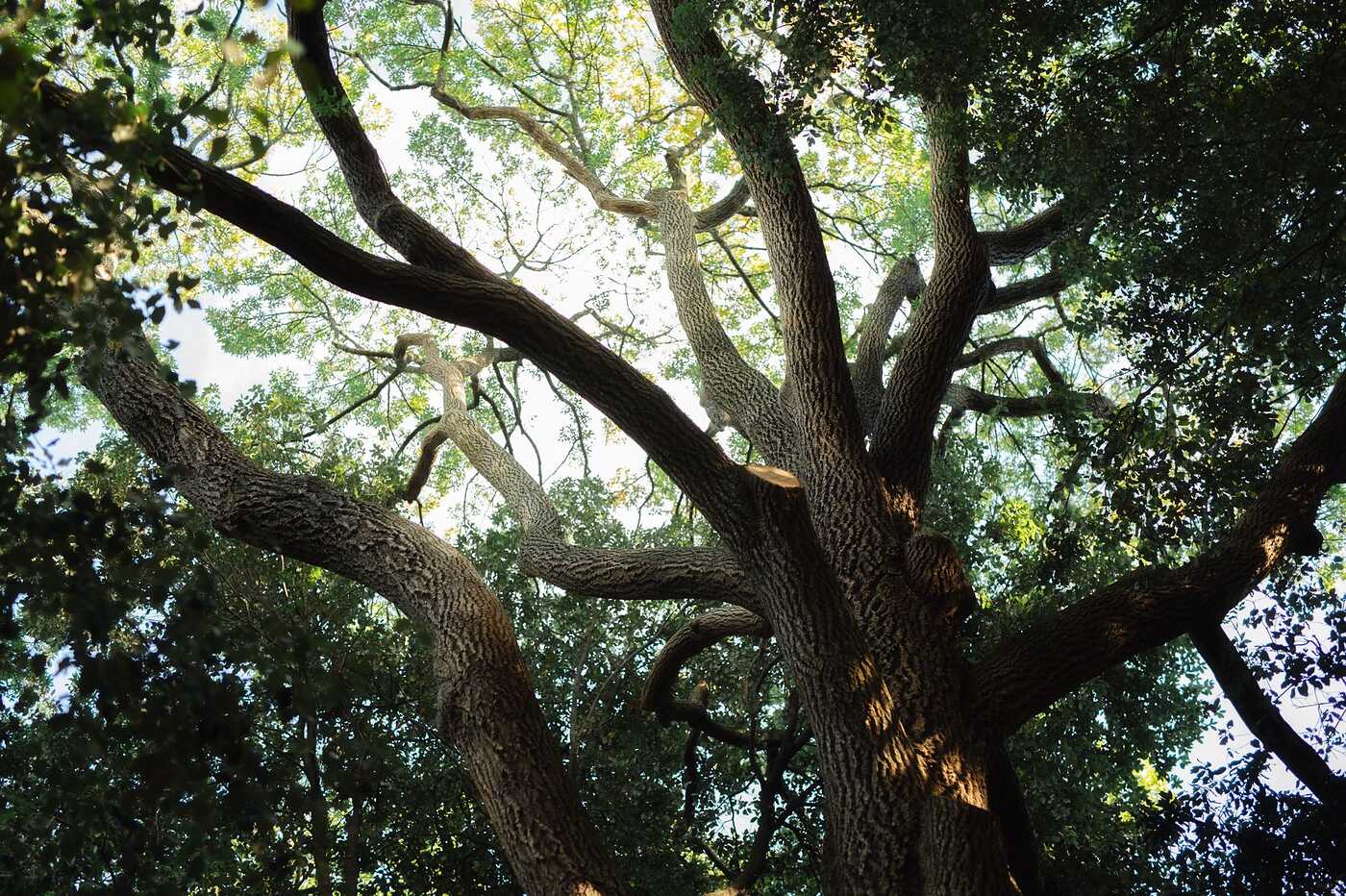
Crestwood sits between the Trinity River and the Cultural District, with 1920s to 1950s pier-and-beam homes under mature trees. That puts Norway rats at the crawl space and roof rats in the canopy. Book a free inspection and both levels get checked.
- Crawl space and roofline checked
- Answered 24 hours a day
- TDA-licensed contractors on every job
Crestwood gets rodent pressure from two directions
Crestwood houses face rats from the river at ground level and from the trees at roof level, which is a combination few Fort Worth neighborhoods share. The neighborhood lies along the Clear Fork of the Trinity River just northwest of the Cultural District, in Fort Worth, Tarrant County, and its streets were laid out in the 1920s and 1930s as the city grew west from downtown. The 1949 flood that broke the Clear Fork levees went through this part of town, and the levee and park system that followed is why Trinity Park and the trails now run along the neighborhood's edge.
The river corridor is Norway rat country. Texas A&M AgriLife describes the Norway rat as a burrower that digs under foundations and floors, and a river bank with brush, a storm drain outfall and a backyard compost pile gives it everything it needs. From there a pier-and-beam house with a gap in the skirting is an easy walk. The mature live oaks and pecans overhead carry the other species: roof rats travel along limbs, wires and fence tops, and a branch resting on a 1930s roof is a bridge to the soffit. Roof rat removal handles the attic side; the crawl space needs its own attention, and on a Crestwood house both get inspected on the same visit.
Where rats get into a Crestwood house
Rats get into Crestwood houses low, through the crawl space, and high, through the roofline, and the older the house the more openings there are at both levels. Pier-and-beam construction on the pre-1949 streets means the floor sits on piers over open ground, closed in by skirting that has been patched, replaced or left open for decades. The foundation vents in that skirting carry screens from the era they were fitted, and many have rusted through. Above, the original decking and a second or third layer of shingles leave gaps at the eave, and plumbing stacks cut through the roof with flashing that has pulled away.
- Skirting gaps and missing panels at the crawl space perimeter
- Foundation vents with rusted or torn screens
- The gap where a porch or addition meets the original skirting
- Soffit and fascia gaps under overhanging oak and pecan limbs
- Old plumbing stacks and chimney flashing on the roof
- Gable vents with the original wire screen
Closing these in steel mesh and sheet metal is rodent exclusion, and on a pier-and-beam house the crawl space half of that work is its own job. Crawl space rodent exclusion screens every vent to the quarter-inch standard, closes the skirting, and checks the underside of the floor for chewed ductwork and insulation. A rat that lives under the house and a rat that lives in the attic leave similar signs at first glance, so the inspection settles which one you have before anyone sets a trap.
What an older Crestwood house needs that a newer one does not
An older Crestwood house needs the crawl space sealed and the roof deck checked, which a slab house in the far north never has to think about. There is no basement anywhere in Fort Worth, so the crawl space is the ground-level void on this housing stock, and it is dark, dry and open to the yard wherever the skirting has failed. The Department of Energy notes that compressed insulation stops delivering its rated value, and floor insulation under a pier-and-beam house is where Norway rats nest first, so it often needs to come out.
The roof deck matters because the original boards on a 1930s house have shrunk, and where a limb has rubbed the eave for years the gap is wide enough for a roof rat to work through in a night. A contractor who only foams the soffit has missed the point. Ask whoever attends to show you each opening, high and low, on a list with a price beside it, and ask what their warranty on the sealing covers and for how long. The contact page has the form, and the phone is answered 24 hours a day.
When Crestwood rodent calls come in
Crestwood calls come in two waves, one in the fall as attics fill and one in spring when the river rises. The fall wave is the same as the rest of Fort Worth: calls ramp from October and peak in January and February as roof rats move into the insulation for warmth. The research behind this market says to seal before October for that reason. The spring wave is particular to the river streets. A wet spring pushes water into the burrows along the Clear Fork, and the Norway rats that lose them move uphill toward the nearest dry void, which is the crawl space of the first house off the trail.
Mild winters mean roof rats breed most of the year here. UF/IFAS gives a female four or five litters a year with five to eight young in each, so a pair that came in with the first cold night can be a family by the time the pecans leaf out. Summer attic heat above 130F does the reverse and drives rats down into wall voids and, on this housing stock, into the crawl space. Scratching under the floor in July is worth a call as much as scratching over the ceiling in January.
What the inspection covers on a Crestwood house
The inspection on a Crestwood house covers the crawl space, the yard edge toward the river and the roofline, in that order. Under the house the inspector looks for burrow openings against the piers, greasy rub marks along the sill, chewed floor insulation and droppings; a roof rat's droppings run a quarter to half an inch with pointed ends, which UF/IFAS gives as the identifying shape, and a Norway rat's are blunter. Outside, the skirting gets walked panel by panel and every vent screen is tested. On the roof, each soffit under a limb and each plumbing stack is checked. Everything found goes on an itemized list so the crawl space work, the roofline work and the trapping can be judged one line at a time.

Keeping rodents out once they are gone
Three approaches, and why sealing is the one that lasts.
Video: 3 Ways To Get Rid Of Mice or Rats, And Keep Them Out!, from Everything Homestead.
Why Crestwood homeowners book through us
A house with a crawl space under it and limbs over it gets sealed twice, and these three points say how that is priced and checked.
Both levels of the house get sealed
A pier-and-beam house has two ways in and a contractor who only looks at one of them leaves the job half done. The contractor we route inspects the crawl space and the roofline on the same visit, tells you which species is present from the droppings and the nest location, and closes the openings at both levels in steel mesh and sheet metal before the trapping starts. On a Crestwood house that usually means skirting and vent screens below and a soffit under an oak limb above.
UF/IFAS: roof rat droppings are a quarter to half an inch long with pointed ends
A sealing quote you can hold against a national band
HomeGuide's 2026 national figure for full-home exclusion runs $500 to $2,500, and that is the band a Crestwood sealing quote should land inside once the crawl space and the roofline are both counted. Those are typical-job figures confirmed at the free inspection. They exist so you can tell an itemized sealing quote from a bundled number that has a monitoring contract folded into it. Trapping, sealing and any cleanup come as separate lines.
HomeGuide 2026: full-home exclusion $500 to $2,500 nationally
A license you can look up before the visit
Every contractor we route holds a Texas Department of Agriculture structural pest control business license, and rats and mice fall under the Pest Control category of that license. TDA publishes a current-license lookup online, and it takes a minute to confirm the business name and number of whoever is coming out before they arrive. TDA also publishes a homeowner guide on using a licensed applicator for rodents, which is worth reading before the inspection.
Texas Department of Agriculture current-license lookup, checkable online
A common call from the Crestwood river streets
The situation: A 1930s pier-and-beam Tudor two blocks from the Trinity Trails, with a screened back porch added in the 1950s. In late April, after a run of wet weeks, the owner starts hearing something moving under the kitchen floor in the evenings and finds a fist-sized hole dug against a pier where the porch skirting meets the original house. The dog will not leave the kitchen alone. She has read online that it is probably a mouse and a neighbor tells her she is overreacting.
What gets done: The free inspection finds the burrow at the pier, a second burrow under the porch step, a foundation vent with its screen rusted out, and blunt droppings along the sill beam that point to a Norway rat coming up from the river bank. The attic is checked and is clean. The contractor screens every foundation vent in quarter-inch hardware cloth, closes the skirting gap at the porch in sheet metal, fills the burrows once the traps have run, and prices the crawl space sealing, the trapping and two follow-up visits on separate lines.
How it turns out: Three rats are trapped under the house in the first week and the traps stay in for another week to be sure. The follow-up visit finds no fresh digging at the piers and the sill beam is quiet. The owner keeps the itemized list and the license number with the house papers, and the kitchen floor is silent by the time the trails are dry again.
Crestwood rodent questions
The questions below come up most from the pier-and-beam streets along the river.
Call (817) 710-2756I hear scratching under the floor, is that rats or something else?
Scratching under a pier-and-beam floor is most often a Norway rat, and on the Crestwood streets nearest the river that is the first thing to rule in or out. Texas A&M AgriLife puts it plainly: a nest that is underground or under a floor is almost always a Norway rat, and a nest up high is a roof rat. Opossums and armadillos use crawl spaces as well, and the inspection tells them apart by the openings, the droppings and the tracks. Whichever it is, the fix starts with closing the skirting and the vents so the void stops being available.
Does the crawl space have to be sealed, or can I just trap under there?
The crawl space has to be sealed, because traps alone under a house near the river collect rats without ending the supply. The burrows along the Clear Fork are a permanent source, and every wet spring sends more animals uphill. Screening the vents to a quarter inch and closing the skirting turns the crawl space from a den into a dead end. Trapping runs alongside the sealing to clear what is already there, and the traps stay in for at least a week. Ask whoever attends how many follow-up visits the price includes.
What does rodent removal cost on an older Crestwood house?
More sealing work than a slab house, which puts the exclusion line toward the middle of the national band. HomeGuide's 2026 national ranges give trapping and removal at $250 to $1,200 and full-home exclusion at $500 to $2,500, and a pier-and-beam house with both a crawl space and an oak-shaded roofline tends to sit above the bottom of that second range. No Fort Worth-specific cost survey exists, so those are national figures confirmed at the free inspection. Insist on separate lines for the crawl space, the roofline, the trapping and any insulation work so each part can be judged on its own.
Can roof rats be in the attic at the same time as Norway rats under the house?
Yes, and on a Crestwood house with a limb on the roof and a gap in the skirting it happens. The two species keep to their own levels, so an attic infestation and a crawl space infestation can run at once without either animal meeting the other. That is why the inspection covers both before anything is priced. Each level gets its own openings closed, its own traps, and its own line on the quote, and the follow-up visit checks both. Sleeping through the night comes back once both are quiet.