Rodent Removal in Fairmount
Fairmount is a square mile of wood-framed bungalows and foursquares on pier-and-beam foundations, with old trees over the roofs and a crawl space under every floor. The first visit is free, and a call at midnight reaches a person.
- Free roofline and crawl space inspection
- Historic exteriors left as they are
- TDA-licensed contractors routed
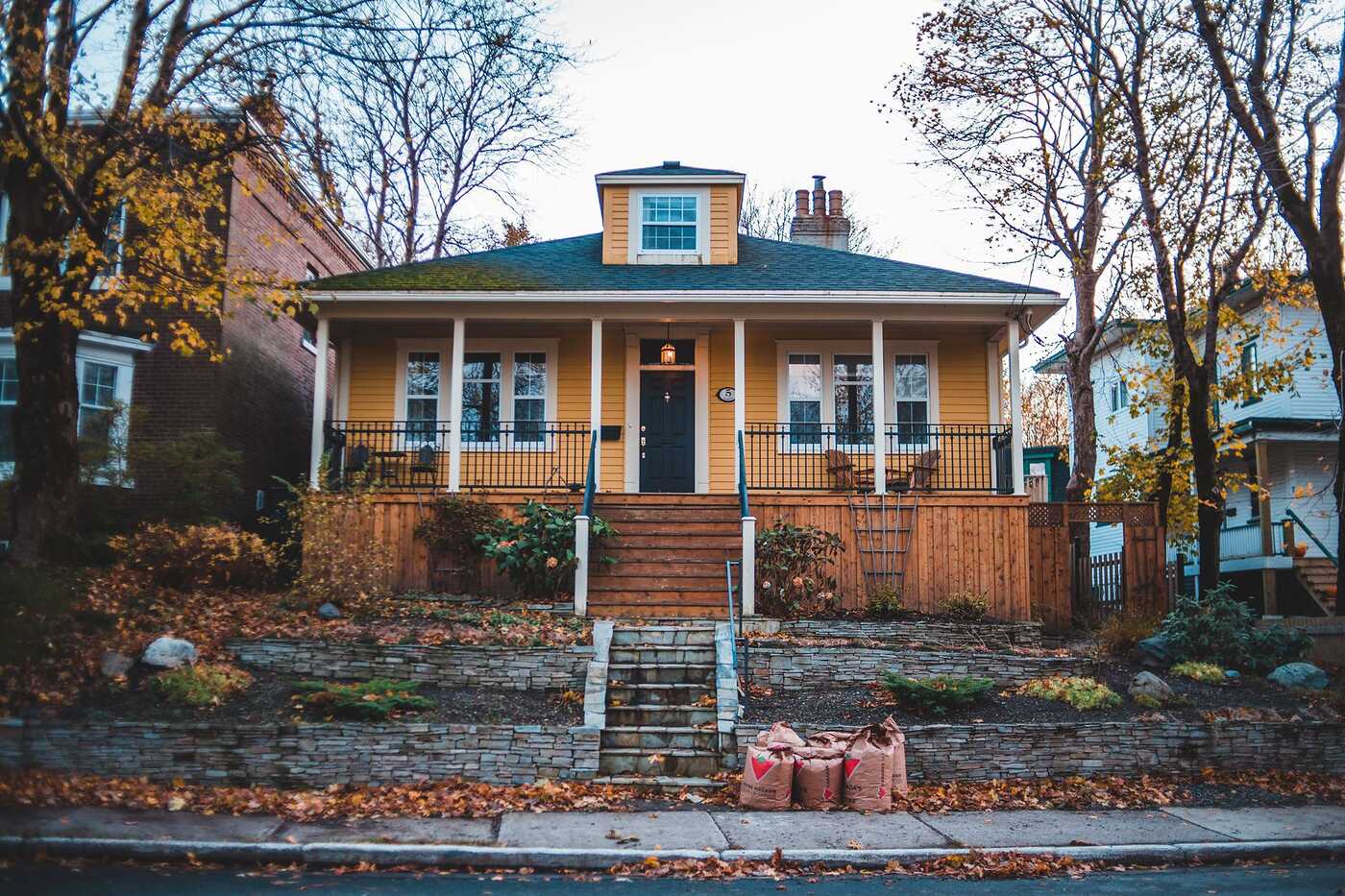
Fairmount is a historic district of century-old wood houses
Fairmount sits on the near south side of Fort Worth, in Tarrant County, and its roughly 100 blocks between Magnolia Avenue, Hemphill Street, Eighth Avenue and Jessamine Street have been on the National Register of Historic Places as the Fairmount-Southside Historic District since April 1990. The additions inside it were platted between 1883 and 1907, and the houses run from Queen Anne cottages through two-story foursquares to the craftsman bungalows the neighborhood is known for, more than a thousand of them counted as contributing structures. Almost all of them are wood framed, and almost all of them stand on piers with a crawl space underneath.
That construction shapes a rodent job here. A wood house that has stood for a century has shrunk at its joints, and the places where two runs of siding, trim or soffit meet have opened up in ways a slab tract house in Alliance never will. The city's design standards govern what can change on the outside of a Fairmount house, so a contractor cannot answer an open gap by tearing off the eave and replacing it. The gap gets closed from behind and from below, in metal, with the original boards left in place. Roof rat removal in Fairmount is largely a job of finding those joints.
The crawl space is the second front door
Every Fairmount house on piers has a crawl space, and the skirting and vents around it are where a rat gets in at ground level. The foundation vents were fitted with light wire screen a century ago, and most of that screen has rusted through or been pushed in. Skirting boards rot at grade and pull away from the sill. A plumbing line that was rerouted in the 1970s left a hole where it passed through the floor, and a water heater or furnace installed in a closet has a flue or line set going down through the same floor. From the crawl space a rat has the whole wall cavity to climb, and it comes out in the attic or behind the kitchen cabinets.
The signs are different from an attic entry. Homeowners hear gnawing low in a wall or under the floor instead of running overhead, and the droppings turn up in a cabinet under a sink or behind the range. UF/IFAS describes a roof rat dropping as a quarter to half an inch long, banana shaped and pointed at the ends, and a run of them along a floor joist in the crawl space tells whoever attends which vent the animal has been using. Crawl space rodent exclusion screens every vent to a quarter inch, closes the floor penetrations with mesh and sealant, and repairs the skirting where it has lifted, and it is usually the half of a Fairmount job that a roofline-only quote leaves out.
Pecans and live oaks reach the rooflines on narrow lots
The lots in Fairmount are narrow, the trees on them are old, and the pecans, live oaks and cedar elms that fill the district put limbs on rooflines along most streets. Fort Worth's urban forest plan notes that pecan, oak and elm dominate the older parts of the city near the Trinity, and Fairmount is one of those parts. A roof rat travels along a limb the way a person uses a sidewalk, and it comes off the branch onto the eave, follows the fascia to the first gap and is inside.
The gaps on a Fairmount roofline are specific. Exposed rafter tails on a craftsman bungalow leave a gap at every rafter where the roof decking and the top of the wall meet, and the blocking between the tails has often shrunk or been left out. A foursquare has a hipped roof with a dormer, and the corners where the dormer cheeks meet the main roof open up as the boards move. Gable vents were built with decorative louvers and thin screen. Old roofs here often carry two or three layers of shingle over aged decking, and the flashing around an original plumbing stack has lifted with each layer. The contractor we route walks the whole roofline and lists each opening with what closes it, because pruning the limb back removes the bridge and the sealing removes the door, and either one alone comes up short.
The order of work on a Fairmount house
The sequence on a Fairmount house is inspection, sealing, trapping and a follow-up visit, with the roofline and the crawl space treated as one job. Snap traps go on the attic runs and in the crawl space for at least a week, because a roof rat avoids a new object for the first few nights. Steel hardware cloth goes behind the gable louvers from the attic side and into the rafter-tail gaps from below, sheet metal closes the flashing around the old stack, quarter-inch mesh replaces the foundation vent screens, and the skirting is refastened at the sill.
- Attic, roofline and crawl space inspection with every opening listed and priced
- Snap traps on the marked runs, left in place at least a week
- Hardware cloth, sheet metal and mesh at every opening, fitted behind original trim
- Follow-up visit to clear the traps and check the seals
- Attic or crawl space cleanup as a separate line the owner decides on
Rodenticide gets a small part at most. A rat that takes bait in a Fairmount attic dies in the wall cavity or under the floor, where nobody can reach it, and the smell lasts weeks. Trapping avoids that. Rodent exclusion is what keeps the house closed afterward, and it is worth asking whoever attends how long the exclusion warranty runs, whether it renews, and how many return visits the quote includes. Every contractor we route holds a Texas Department of Agriculture structural pest control business license, and the TDA license lookup confirms it before work starts. The nights of listening to the wall for the next scratch end when the metal goes on, and the phone line, answered 24 hours a day, or the contact page is where that begins.
A representative rafter-tail closure on a Fairmount bungalow
The exposed rafter tails on a craftsman bungalow are the detail that makes the roofline, and on a Fairmount house they leave a row of small openings where the roof decking passes over the top of the wall between each pair of rafters. A representative closure fits a strip of steel hardware cloth into each bay from below, folds it over the top plate and fastens it to the blocking, then leaves the tails, the decking and the paint exactly as they were. The same visit screens the foundation vents around the crawl space to a quarter inch and refastens a length of skirting that had pulled away from the sill.
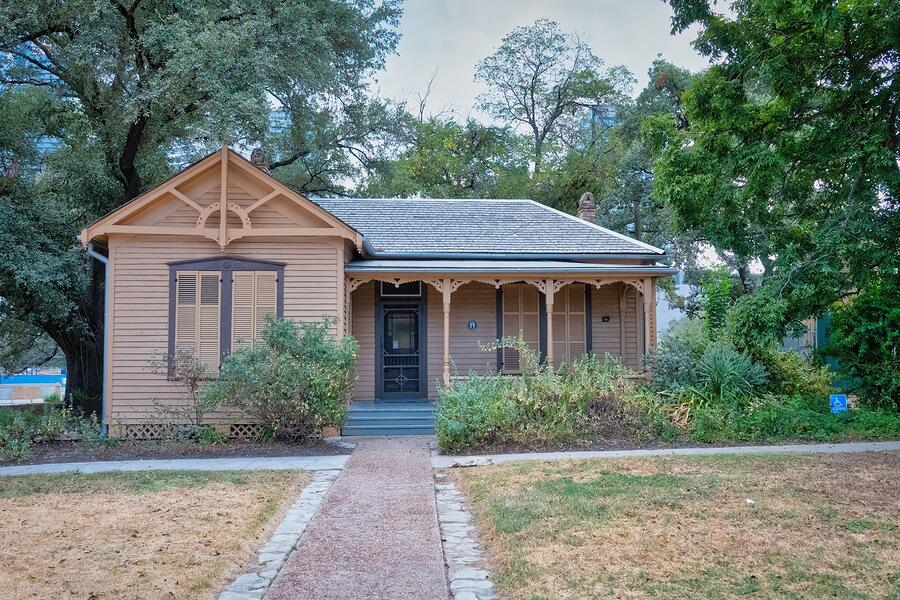
Why mice keep coming back
A look at the openings that make it repeat.
Video: EASY WAY to Get Rid of Mice in Your House FOREVER, from Silver Cymbal.
Why Fairmount homeowners book through us
An old pier-and-beam block needs three things handled at once, above the ceiling, under the floor, and on paper.
Roofline and crawl space on one list
A Fairmount house has openings at the eave and openings at the ground, and a quote that covers only one of them leaves the other open. The contractor we route inspects the attic, the roofline and the crawl space on the same visit and lists each gap with what closes it. Roof rat droppings, which UF/IFAS puts at a quarter to half an inch long with pointed ends, mark the runs in both places, and the sealing follows those runs to the openings that matter.
UF/IFAS: roof rat droppings a quarter to half an inch long
Priced by the line before anyone climbs a ladder
Trapping, roofline sealing, crawl space work and any cleanup are separate lines on the quote, and each one comes with a figure. HomeGuide's 2026 national data puts a full-home exclusion between $500 and $2,500, and a Fairmount house with a long roofline and a full crawl space tends to sit in the upper part of that band, which is why the inspection is free and the number is confirmed at the house.
HomeGuide 2026: full-home exclusion $500 to $2,500 nationally
The license you can check yourself
Rodent work for hire in Texas is regulated by the Texas Department of Agriculture's Structural Pest Control Service, and rats and mice fall under its Pest Control category. Every contractor we route holds a TDA structural pest control business license with a certified applicator. The TDA publishes a current-license lookup, and it takes a minute to confirm the business name and license number before the first visit. Ask whoever attends for proof of insurance at the same time.
TDA current-license lookup: confirm the business license before work starts
A common Fairmount call
The situation: The owners of a two-story foursquare a few blocks off Magnolia Avenue hear gnawing low in the dining room wall in the middle of an August heat wave, and once or twice a scurry behind the kitchen cabinets. Nothing runs overhead. They find droppings under the kitchen sink, and one of them has been told by a coworker that it is probably a bug and to stop worrying. Neither of them has slept through a night in two weeks.
What gets done: The free inspection starts in the crawl space, where a foundation vent on the alley side has lost its screen and a line of droppings runs along the joist toward the kitchen. An old drain line passes through the floor under the sink with a gap around it wide enough for a hand. The attic is 130 degrees and shows an older run along the top plate but nothing fresh, which is what the summer heat does: the rats moved down into the walls. The report names a roof rat, lists the vent, the floor penetration and a rafter-tail gap on the west eave, and prices the sealing, the trapping and two return visits on separate lines. Whoever attends screens the vents to a quarter inch, closes the floor hole in mesh and sealant, fits hardware cloth into the rafter bays, and sets snap traps in the crawl space and behind the kick plates.
How it turns out: Two rats are trapped under the floor in the first four nights and nothing after. The second return visit finds the seals holding and no new droppings under the sink, and the owners keep the itemized report with the house papers. The dining room wall goes quiet, and so do the nights.
Fairmount rodent questions
These are the questions that come up most on calls from Fairmount.
Call (817) 710-2756Can the sealing be done without changing the outside of a historic house?
Yes, and on a Fairmount house it has to be. The district's design standards cover exterior changes, so the closures go behind and beneath the original materials. Hardware cloth is fitted into rafter-tail bays from below, behind gable louvers from the attic side and behind soffit boards where they have shrunk apart. Foundation vents get new quarter-inch mesh on the inside of the frame. Flashing around an old plumbing stack is the one place metal shows, and it is on the roof. Ask whoever attends to describe each closure before the work starts.
Rats in the crawl space or rats in the attic, how do I tell?
Listen to where the sound comes from and look at where the droppings are. Running and scratching overhead at night points to the attic and a roofline entry. Gnawing low in a wall, sounds under the floor, and droppings inside a sink cabinet or behind the range point to the crawl space. In a Fairmount house the two are connected by the wall cavities, so a rat that came in at a foundation vent can end up in the attic anyway. The free inspection covers both, and the quote lists the openings in each.
Is it worth sealing in summer when I only hear them in winter?
Summer is the better time to do it. Rodent calls in Fort Worth climb through the fall and peak in January and February as the animals move into attics for warmth, and the research behind this market points to sealing before October. A roof rat in Fort Worth breeds most of the year, so a den that went quiet in spring is still occupied. Closing the roofline and the crawl space in summer means the fall migration finds a closed house. Summer attic heat also pushes rats into wall voids, which is when many Fairmount owners first hear them.
What does rodent removal cost for a house like this?
The quote is built from separate lines, confirmed at the free inspection. As national reference points, HomeGuide's 2026 figures put trapping and removal between $250 and $1,200 and a full-home exclusion between $500 and $2,500, with attic cleanup priced on its own if it is wanted. A Fairmount house adds the crawl space to the roofline, so the exclusion line tends to be longer than on a slab house. Ask for each part priced separately, ask what the warranty covers, and ask how many return visits are included.