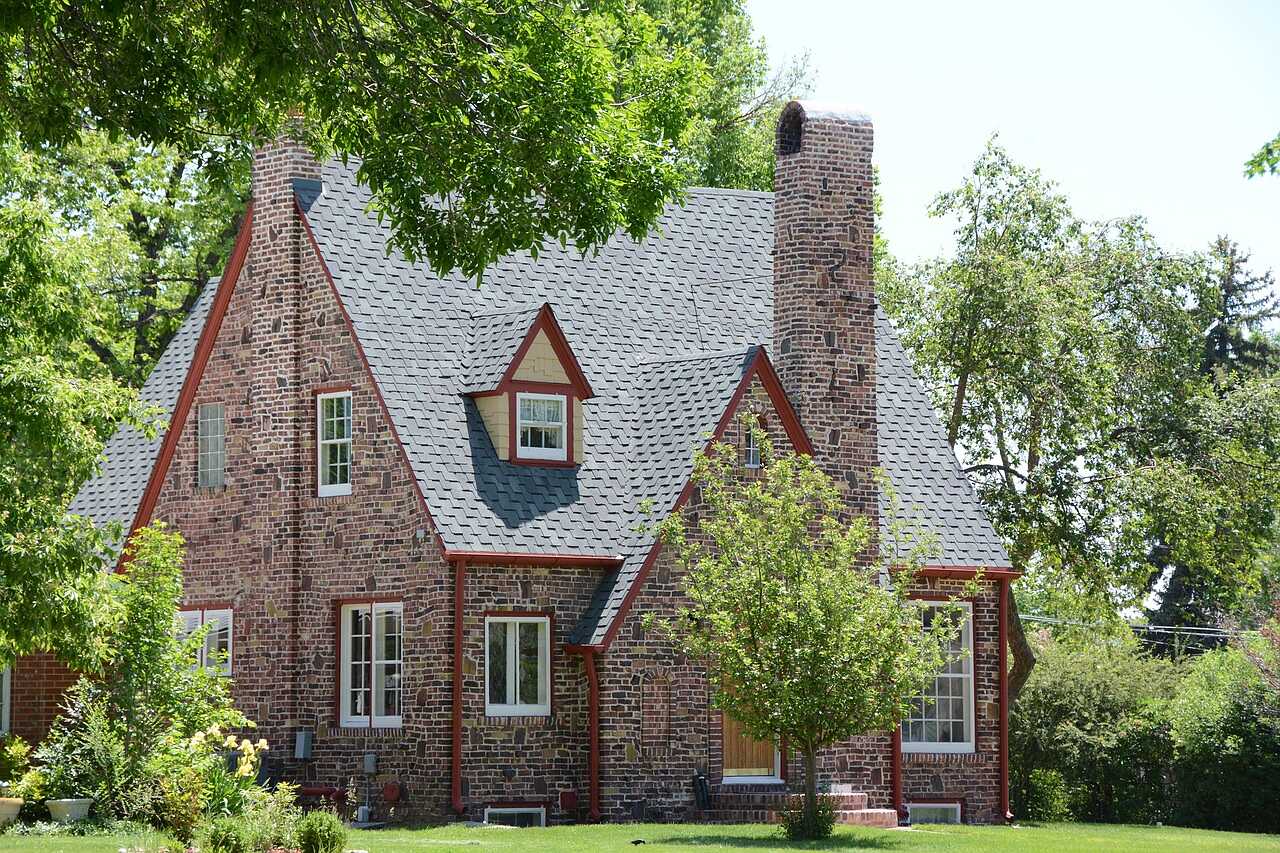
Rodent Removal in Arlington Heights
Arlington Heights was the fastest-growing part of Fort Worth in the early 1920s, and the Tudor cottages and bungalows built on the old Camp Bowie ground now stand under trees a century old. The inspection costs nothing and the line is staffed around the clock.
- Free roofline and crawl space inspection
- Steep roofs and old chimneys handled
- TDA-licensed contractors routed
Arlington Heights was built on a First World War army camp
The houses here went up in one burst after the army left. Camp Bowie opened on the west side in 1917, trained more than 100,000 men, and closed in August 1919; the streets and utilities it left behind made Arlington Heights the fastest-growing section of Fort Worth between 1920 and 1926. The result is block after block of Tudor cottages, craftsman bungalows and small English-style houses from the 1920s through the 1940s, sitting in Fort Worth, Tarrant County, between Camp Bowie Boulevard and the Cultural District.
Those houses share a construction that roof rats read well. Most stand on piers with a crawl space and skirting, the roofs are steep and cut with dormers and returns, the chimneys are brick with open flues, and the plumbing stacks and electrical masts were put through the roof decking long before anyone thought about sealing them. A century of reroofing has often left more than one layer of shingles and decking that has softened at the edges. UF/IFAS puts the rat-proofing standard at a quarter inch, and a 1925 roofline has many gaps wider than that.
Steep Tudor roofs hide the openings from the ground
A steep roof puts the entry points out of sight. On a Tudor cottage the valleys, the dormer cheeks and the place where a lower porch roof dies into the main wall are all above eye level and often above the reach of a homeowner on a stepladder, so a soffit return that has been open for years goes unnoticed until the noise starts. The chimney is the other route: a flue with no cap, or a cap that has rusted through, drops a roof rat straight into the smoke chamber and from there into the wall cavity beside the fireplace.
The inspection on an Arlington Heights house is done from the roof as well as from the attic. Whoever attends walks the valleys and the returns, checks the chimney cap and the crown, looks at every stack and mast, and then reads the attic for droppings a quarter to half an inch long along the top plates. Rodent exclusion on these houses runs to sheet metal at the returns, hardware cloth behind the dormer vents, and a stainless cap on the flue.
Old trees above and the Clear Fork below
The trees planted with these houses now reach past the ridgelines. Live oaks, pecans and cedar elms along the streets and in the back yards put limbs on the shingles and give roof rats, which UF/IFAS describes as animals that travel along branches and wires, a road that ends at the eave. The alleys behind the lots carry the utility lines, and a cable drop to the fascia is the same road in a different material.
The Clear Fork of the Trinity River runs along the east edge of the neighborhood past the Cultural District, and the river corridor is Norway rat country. Houses on the blocks nearest it see burrowing rats at the foundation, under decks and in detached garages as well as roof rats in the attic, and on a pier-and-beam house the crawl space is the Norway rat door. Crawl space rodent exclusion closes the skirting and the foundation vents while the roofline is sealed above.
A representative plumbing stack on an Arlington Heights roof
The oldest penetrations in the roof are the ones that open first. A cast-iron plumbing stack from the 1920s was flashed with lead or with a boot that has since cracked in the sun, and the decking around it has been cut and recut on every reroof. The gap between the pipe and the decking is often wider than a rat needs. The fix is a new boot or a metal collar sealed to the decking, and the same treatment goes on every mast, vent and flue on the roof. The free inspection photographs each one so the quote lists them by name, and the contact page has the hours.
Mice, squirrels, or something else
How the signs differ between the two.
Video: Signs of Mice vs. Squirrels In Your Attic, from Skedaddle Humane Wildlife Control.
Why Arlington Heights homeowners call this number
Sealing a hundred-year-old exterior without spoiling it comes down to these three points.
Roof, chimney and crawl space on one report
A 1920s house has three fronts, and an inspection that stops at the attic hatch misses two of them. The contractor we route walks the roof for the returns and stacks, checks the chimney cap and crown, and goes under the house for the skirting and vents, then writes a single report with every opening named and photographed.
Rat-proofing standard of a quarter inch, UF/IFAS Extension
Sealing that respects a historic exterior
Hardware cloth fitted from inside the attic, sheet metal painted to match the trim, a stainless flue cap and a screened foundation vent leave the street elevation of a Tudor cottage as it was. The quote separates the sealing from the trapping so the cost of the roof work is plain before it starts.
Full-home exclusion $500 to $2,500 nationally, HomeGuide 2026
A license you can look up before the ladder goes up
Every contractor routed into Arlington Heights holds the Texas Department of Agriculture structural pest control business license, shown as a TPCL number. The number is on the department current-license list, and checking it takes a minute on the phone before anyone is booked.
Structural Pest Control Service, Texas Department of Agriculture
A common Arlington Heights call
The situation: A couple in a 1928 Tudor cottage a few blocks off Camp Bowie Boulevard hear a scrabbling in the wall beside the fireplace every evening from late November, then a run across the ceiling of the front bedroom. They have been told it is the house settling and the wife has stopped believing it.
What gets done: The free inspection finds the chimney cap rusted through and the flue open, a soffit return above the side porch open by more than an inch, and roof rat droppings along the top plate of the attic. Under the house a foundation vent screen has rusted away. The contractor we route fits a stainless cap, closes the return in sheet metal and the vent in hardware cloth, and leaves the attic runs trapped for a week with the porch return as the last opening.
How it turns out: Two roof rats in the first four nights, silence by the end of the week, and the last return closed on the second visit. The report lists the cap, the return and the vent as three photographed points, and the trapping and sealing are priced apart.
Questions from Arlington Heights
What owners of the older west side houses ask before booking.
Call (817) 710-2756Can a rat come down the chimney?
Yes, and on an Arlington Heights house it is one of the common routes. An uncapped flue, or a cap that has rusted through, is an opening far larger than the quarter inch UF/IFAS sets as the rat-proofing standard. The animal drops into the smoke chamber and follows the gap beside the firebox into the wall cavity, which is why the scratching is often heard beside the fireplace first. A stainless cap with a screened mesh closes it.
Do I need the crawl space sealed if the noise is in the attic?
Usually yes, because the two connect. On a pier-and-beam house the plumbing chases and the wall cavities run from the crawl space to the attic without a break, so a Norway rat that enters at a torn foundation vent can end up in the same attic a roof rat entered from the eave. The inspection reads the droppings to tell the two apart, and the sealing covers both ends of the house when both are open.
How long does it usually take to get rid of rats in an older house?
Two to three weeks from the first visit to the last sealed point is typical here. HomeGuide puts trapping a small number of animals at two to three days and a heavy infestation at one to two months, and UF/IFAS advises leaving traps down at least a week because roof rats are wary of anything new. An old roof with many openings takes longer to seal than a slab house with a few, which is where the time goes.
What does it cost for a house like this?
Toward the upper half of the national bands, because there are more openings to close. HomeGuide 2026 puts trapping and removal at $250 to $1,200 and full-home exclusion at $500 to $2,500 nationally, and a steep 1920s roof with a chimney, several stacks and a crawl space sits above the midpoint of the exclusion band. The free inspection turns those bands into a written quote with each line separate.