Rodent Services in Fort Worth
Ten services in the order a job runs: the animals out, the house closed, the attic put back. The inspection that starts each of them is free.
- Free inspection first
- Each part priced on its own line
- TDA-licensed contractors
The order the work runs, and why
Sealing is the spine of every job on this list, because trapping with nothing sealed is the practice people who have been through it criticize hardest. The sequence: find every opening, close the ones with no traffic, trap the animals still inside, close the last run once the activity stops, then deal with what they left behind.
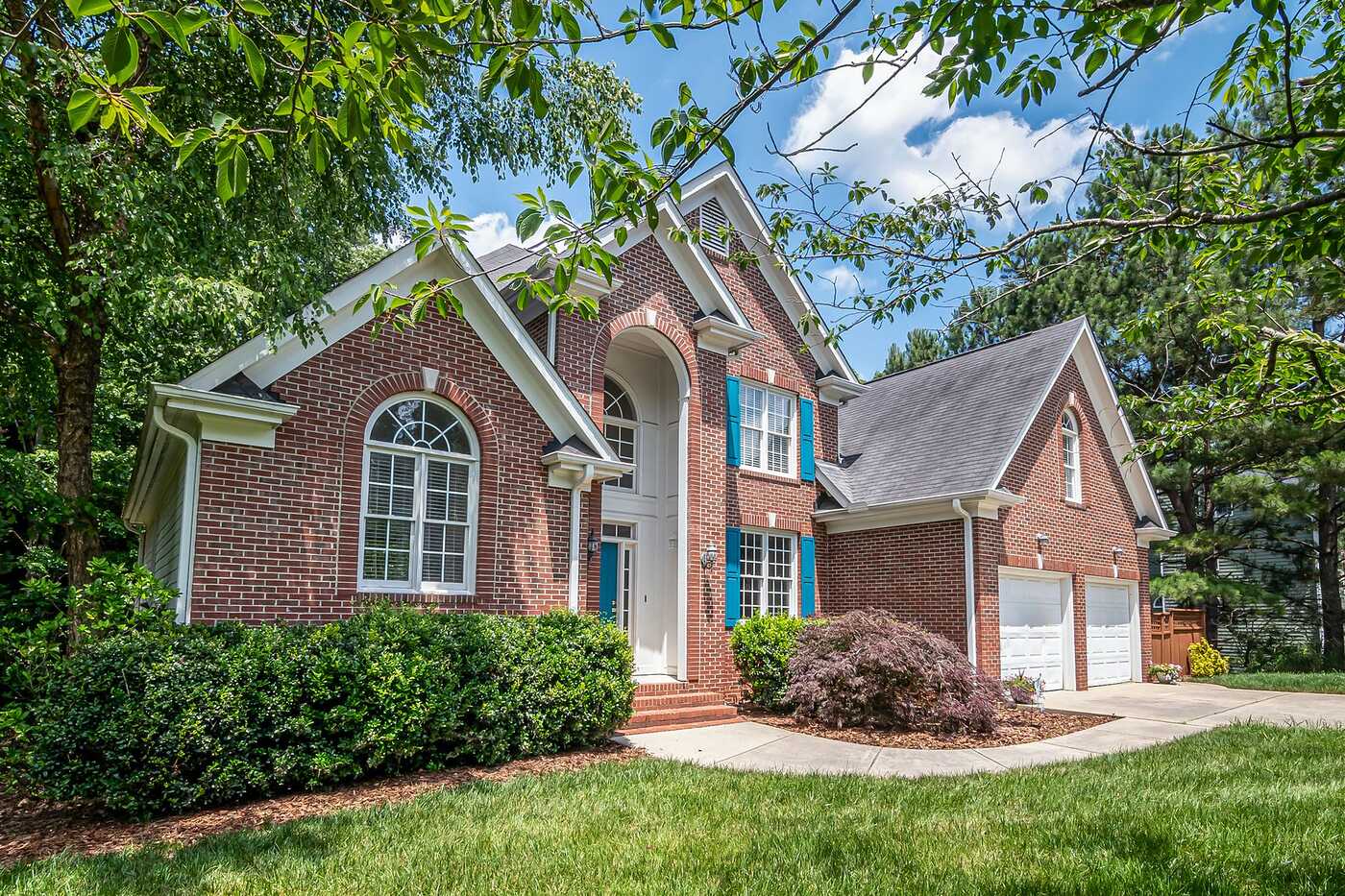
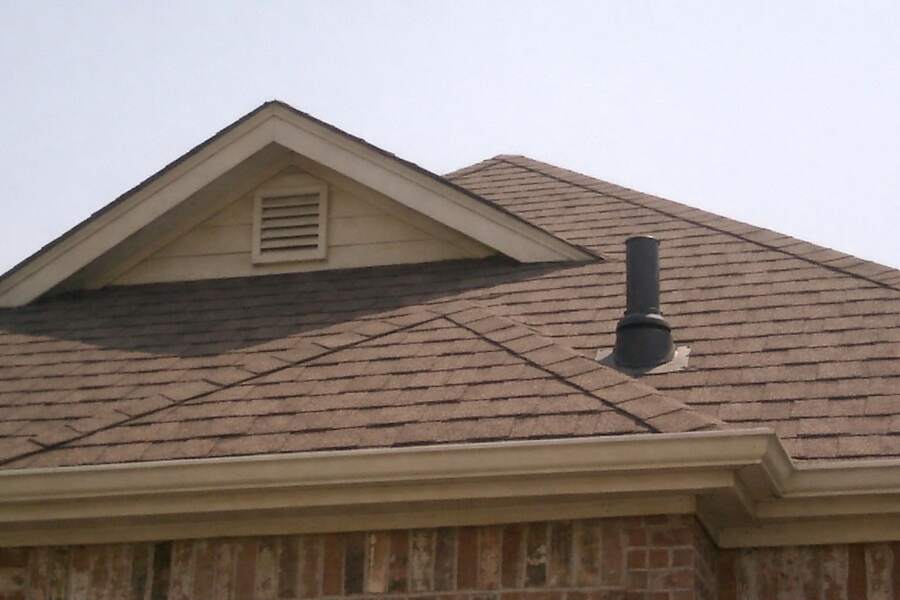
On a Fort Worth house that means the roofline first and the foundation second. Soffit returns where a porch or garage roof meets the wall, gable vents screened with insect mesh, ridge vents, plumbing stacks, chimney tops, weep holes in the brick, garage door corners, the sleeves where cable and air conditioning lines enter, and on the pre-1949 houses south of downtown the skirting and vents of the crawl space. The inspection records each of these, and the quote prices trapping, sealing and cleanup on separate lines so a bundled number never has to be taken on trust.
The about page covers who attends and the license to check. The contact page has the hours and the address.
Every rodent service we arrange
Pick the page that matches what you are hearing or seeing. Each carries the national price bands and the questions people ask before they book.
Getting them out
Trapping and removal, sequenced with sealing so the traps have an end date.
Closing the house
The inspection finds the openings and the exclusion work closes them in steel.
Putting the attic right
What comes after the last trap goes quiet.
Rodents in the attic
What is happening above the ceiling, explained.
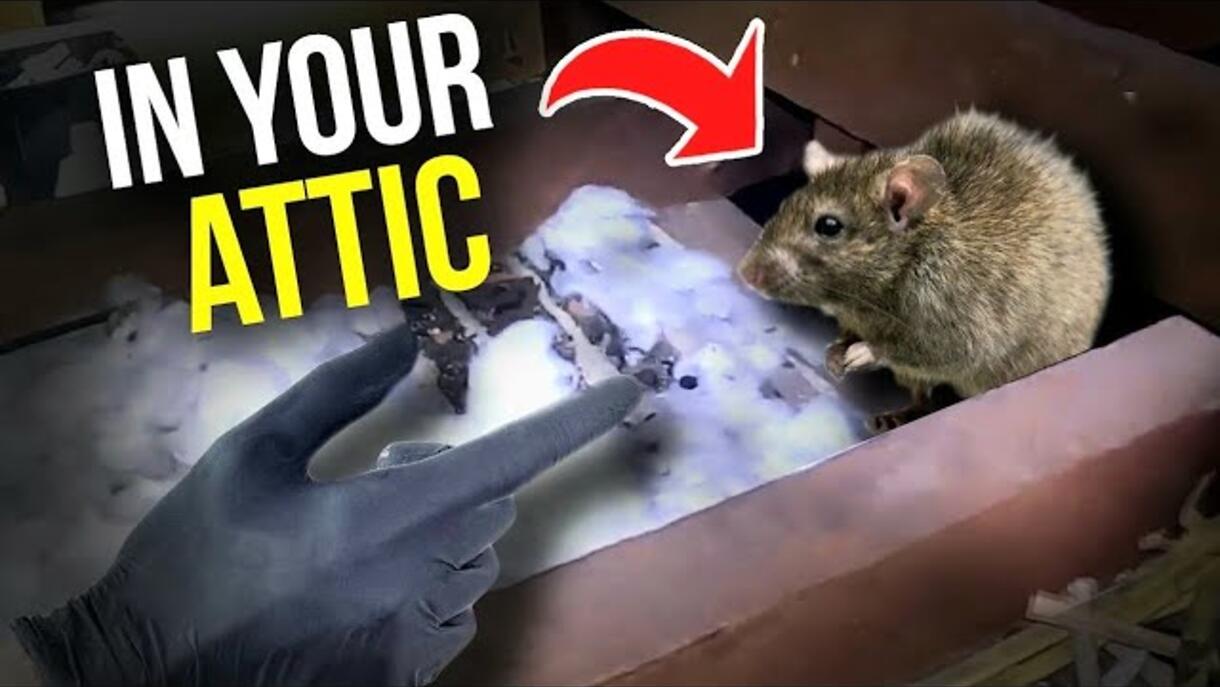
Video: Rodents in your ATTIC!? Here's what you do, from Twin Home Experts.
What ties the ten pages together
The same inspection, the same itemized quote and the same license check sit beneath every service.
One free visit sets the order of work
Every service on the list starts from the same free inspection of the roofline, the attic, the crawl space where the house has one, and the yard. The report says which openings are active, whether the animal is a roof rat, a Norway rat or a mouse, and whether the insulation is fit to stay, and that report is what turns ten pages into one quote.
Standalone inspections run $0 to $175 nationally, HomeGuide 2026
Trapping, sealing and cleanup priced apart
A bundled figure is the pattern homeowners warn each other about, along with a monitoring contract folded into the removal price. Every quote written from one of these inspections lists each part on its own line, so a number can be held against the national band on the page.
Trapping and removal $250 to $1,200 nationally, HomeGuide 2026
The license fits the job
Rats and mice fall under the Pest Control category of the Texas structural pest control license, which needs a licensed business and a certified applicator. The contractor dispatched holds what the specific service requires, and the TPCL number is yours to verify.
Occupations Code chapter 1951, the Structural Pest Control Act
I hear noises but have not seen anything. Where do I start?
With the free inspection. It walks the roofline and the attic, and on a pier-and-beam house the crawl space, identifies the species from droppings and rub marks, and records every opening. The trapping and sealing quotes are written from that report, and it is the same visit whichever service turns out to be needed.
Do I still need sealing if the traps are catching rats?
Yes, because the traps are catching the replacements. UF/IFAS gives a quarter inch as the rat-proofing standard and about 150 yards as a roof rat range from its den, so an open soffit return keeps drawing animals from well past your lot line. Sealing is what gives the trapping an end.
Does the attic insulation have to come out?
Only where it is packed flat into runs or wet with urine. Two conditions matter, per the Department of Energy: insulation packed flat no longer gives its rated R-value, and insulation that has been wet performs poorly. The inspection looks for both and prices cleanup and replacement as separate lines. Fouled insulation in a 130-degree attic also holds the odor that draws the next animal.
Can I get a written report for a buyer, a landlord or an insurer?
Yes. The clearance letter page describes a written report from the inspecting contractor listing the areas checked, the evidence found or absent, the openings sealed and the contractor TPCL number. It records what was found on a given date, and it costs the inspection plus whatever sealing turned out to be needed.