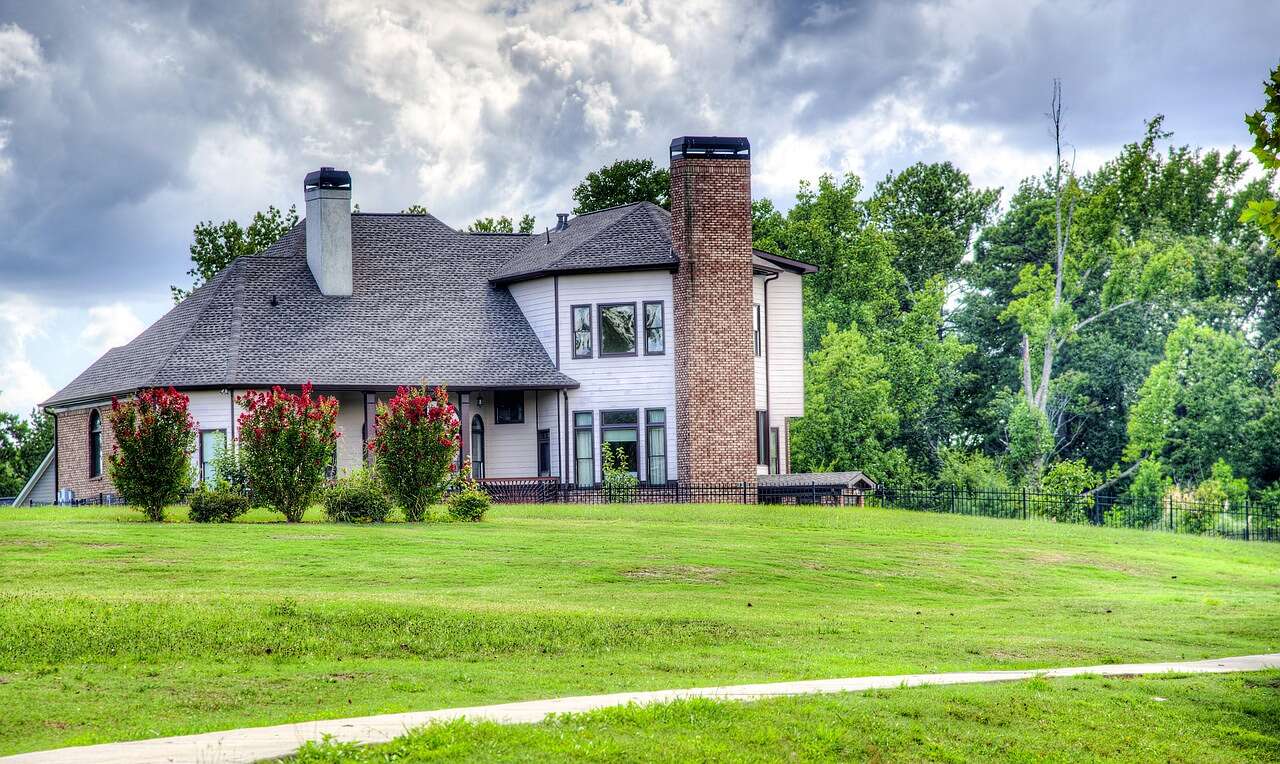
Rodent Removal in Ryan Place
Ryan Place was laid out in 1911 with deed covenants, stone gates and big houses under big trees, and a century later the same wide eaves and tall chimneys are what a roof rat uses to get in. A free inspection starts every job, and the number is answered whatever the hour.
- Free attic, chimney and crawl space inspection
- Sealed in metal behind original trim
- TDA-licensed contractors routed
Ryan Place is a planned 1911 neighborhood of large houses
Ryan Place sits south of downtown Fort Worth, in Tarrant County, between Fairmount and the Berry Street end of the near south side, and it was platted in 1911 by John C. Ryan as a covenant-controlled neighborhood with stone gates at Elizabeth Boulevard and Eighth Avenue. Elizabeth Boulevard itself joined the National Register of Historic Places in November 1979, with its Colonial Revival, Prairie School and Mission Revival houses from the 1910s and 1920s, and the streets around it filled in with Tudor and brick colonial houses through the 1920s and again after the war.
The houses are bigger than the bungalows a few blocks north. A prairie-style house has a low hipped roof with eaves that reach two or three feet past the wall, a Tudor has steep gables that meet in valleys, and a colonial has a tall brick chimney at each end. Every one of those details gives a roof rat more roofline to work with. Most of the houses stand on piers with a crawl space, and many have had a slab addition or a garage apartment put on since. Roof rat removal in Ryan Place starts with a long walk around a long roofline.
Chimneys and deep eaves are the entry points here
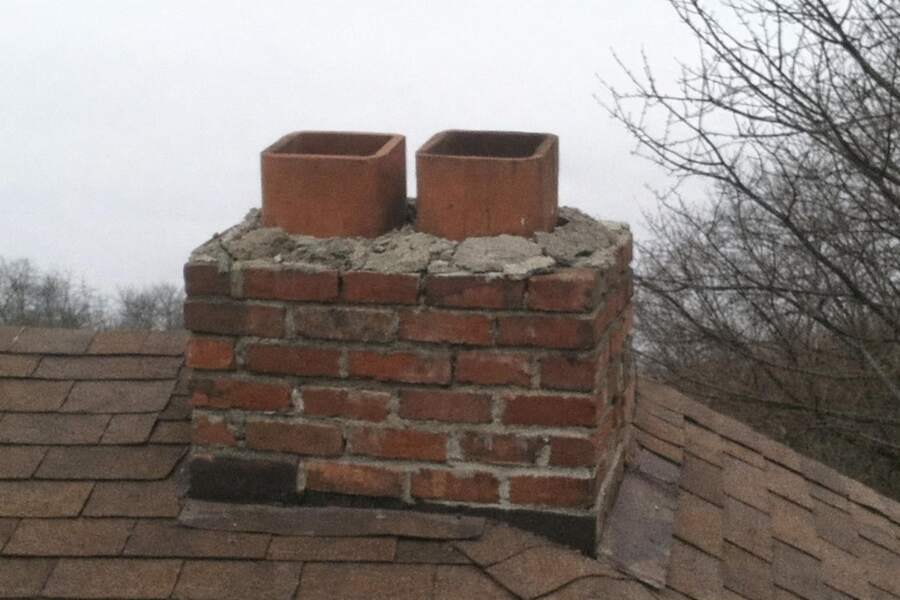
An uncapped chimney is the most common single opening found on a Ryan Place house, and the deep eaves come second. A chimney built in 1920 was made with an open flue and, often, a second flue for a furnace or a kitchen stove that has been out of use for fifty years. Without a cap and a screen, that flue is a straight drop into the house for a rat that has climbed the tree beside it. The dead flue is worse than the live one, because nothing ever happens in it and nobody looks.
The eaves on a prairie or colonial house are boxed with a soffit board that meets the frieze at the wall, and along thirty or forty feet of run the boards have shrunk apart or been cut for a light fixture or a cable. A Tudor's steep gables end in a bargeboard that stands off the wall with a gap behind it. Roof returns, where a gable eave turns the corner and dies into the wall, open up as the house settles. Each of those is a gap of half an inch or more, and UF/IFAS gives a quarter inch as the size that has to be closed to keep a rat out. Rodent exclusion on a house this size is a list of twenty or thirty items, and the quote should show each one.
Old trees and later additions meet on the roof
The trees in Ryan Place were planted with the houses, so the live oaks and pecans on Elizabeth Boulevard and the streets around it are a century old and their limbs rest on roofs, garages and the utility lines between them. A roof rat is arboreal and moves along limbs, wires and fence tops, and UF/IFAS puts its range at roughly 150 yards from the den, which on these blocks takes in a dozen houses and every tree between them. Pruning the limb off the roof is the first thing an owner can do and it costs little. The rat then uses the neighbor's tree and the fence, so the pruning has to be paired with sealing.
The additions are the other half of the picture. A kitchen bumped out in the 1990s, a sunroom, a covered patio or a garage apartment over the alley all meet the original house at a roof-to-wall junction, and that junction is where the new soffit was cut short against the old brick or siding. The air handler for the addition brought a line set through the wall, and a new bathroom fan vented through the old eave. A rat that reaches the addition roof from the pecan over the alley finds a fresh set of openings the original builder never made. The contractor we route treats the old roofline and the addition as one job, because the animal does.
The order of work on a Ryan Place house
The work runs inspection, sealing, trapping, then a follow-up visit, and on a Ryan Place house the sealing takes the longest because there is so much roofline. Whoever attends walks the attic with a light, marks the runs through the blown insulation, then walks the roofline and the crawl space and lists every opening with the material that closes it. Chimney flues get a stainless cap with a screen, soffit joints get hardware cloth behind the board, roof returns get sheet metal trimmed under the existing molding, and the crawl space vents get quarter-inch mesh.
- Attic, roofline, chimney and crawl space inspection, every opening listed and priced
- Caps, hardware cloth, sheet metal and mesh at each opening, fitted behind original trim
- Snap traps on the marked runs, left at least a week
- Return visit to clear traps and check every seal
- Attic cleanup or insulation work as a separate decision
Poison has little place in a house this size. The EPA describes most rodenticides as anticoagulants that take four days to two weeks to kill, and a rat that feeds in a Ryan Place attic spends that time finding a wall void or a flue to die in. Trapping keeps the carcass where it can be collected. HomeGuide puts trapping a small number of animals at two to three days and a severe infestation at one to two months, and the difference is mostly how long the house was open before anyone called. Every contractor we route holds a Texas Department of Agriculture structural pest control business license, which the TDA lookup confirms. If the house is being sold, a written rodent clearance letter after the work answers a buyer's inspector in one page. The weeks of lying awake for the next sound overhead end with the sealing, and the contact page or the phone line, answered 24 hours a day, is where it starts.
A representative chimney closure on a Ryan Place colonial
A two-flue brick chimney on a 1920s colonial in Ryan Place has one flue for the fireplace and a second, long dead, for a furnace that was taken out decades ago. A representative closure fits a stainless steel cap with quarter-inch screen over both flues, fastened to the crown so it holds in the wind, and checks the flashing where the chimney passes through the roof, because the counterflashing has usually lifted from the mortar over a century of movement. The same visit trims sheet metal into the roof returns on the gable ends and screens the crawl space vents below.
What is moving inside the walls
How noise in a wall cavity gets traced.
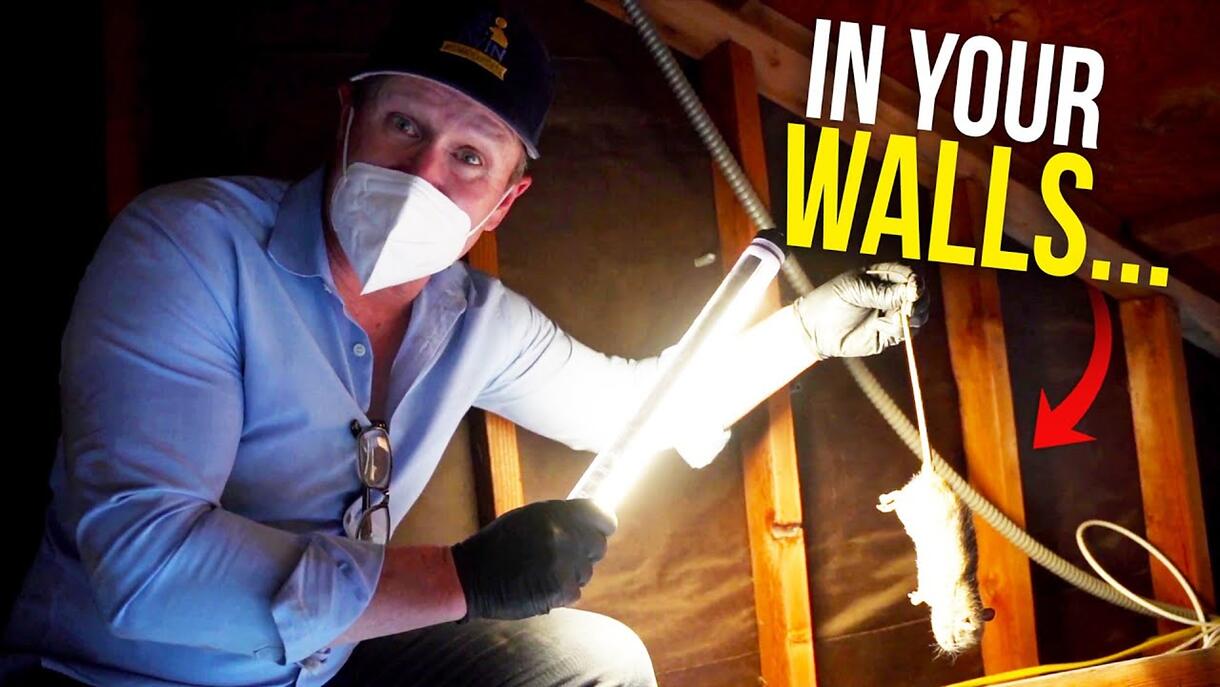
Video: Rodents in your walls? Here's what you do, from Twin Home Experts.
Why Ryan Place homeowners book through us
Three things shape a Ryan Place job: the season it is done in, how the animals are taken out, and what you are told about the schedule.
Sealed before the fall migration, when possible
Rodent calls in Fort Worth ramp through the fall and peak in January and February, and the research behind this market recommends sealing a house before October. On a Ryan Place house with a long roofline, three or four chimney flues and a crawl space, that means booking the inspection in late summer so the sealing is done before the first cold front. The contractor we route can seal in any month, and a house that is closed in September has a quiet winter.
Fort Worth market research: seal before October; calls peak January to February
Trapping that keeps the carcass out of the wall
Snap traps on the marked runs catch the animals where they can be collected, and the follow-up visit collects them. The alternative is bait, and the EPA describes the common rodenticides as anticoagulants that kill four days to two weeks after the animal starts feeding. In a Ryan Place house that is two weeks for a rat to find a wall void, a dead flue or a spot under the floor, and the smell that follows lasts longer than the trapping would have taken.
EPA: anticoagulant rodenticides kill in about 4 days to 2 weeks
A timeline stated before the work starts
HomeGuide's national figures put trapping a handful of animals at two to three days and clearing a severe infestation at one to two months, and whoever attends says at the inspection which end of that range a house is on. The traps stay down at least a week either way, because roof rats are wary of new objects. The quote lists the return visits included and what happens if activity continues after the sealing, so the owner knows the plan before the first trap goes in.
HomeGuide: 2 to 3 days for a few animals, 1 to 2 months for a severe infestation
A typical call from Ryan Place
The situation: A family that moved into a prairie-style house near Elizabeth Boulevard the previous spring hears the first running overhead the week after the first November cold front, then every night after. It is loudest over the upstairs hall, near the chimney. The husband thinks it is the house settling. The wife has been lying awake listening to it and has started to feel that the house she was so pleased to buy has something living in it that she did not agree to.
What gets done: The free inspection finds the chimney with an open second flue and no cap, a pecan limb resting on the roof beside it, and two joints in the boxed soffit along the front eave open to the width of a finger. In the attic a run leads from the chimney chase across the blown insulation to the top plate over the hall, with droppings of the roof rat size along it and a nest against the chase. The report lists the flue, the soffit joints and a roof return at the back corner, prices the cap, the hardware cloth and sheet metal, the trapping and two return visits on separate lines, and notes that the crawl space vents are sound. The contractor caps and screens both flues, closes the soffit joints and the return, and sets snap traps along the run. The family has the limb cut back the same week.
How it turns out: Three rats come out of the traps in the first six nights and none after. The second return visit finds the seals holding and the insulation undisturbed, and the family books an attic cleanup of the nest area as its own line for the following month. The hall goes quiet, and by the second week she has stopped waking up to listen for it.
Ryan Place rodent questions
The questions Ryan Place owners ask most, answered plainly.
Call (817) 710-2756Rats in the chimney, is that a thing?
Yes, and in Ryan Place it is one of the most common findings. A brick chimney from the 1910s or 1920s often has a second flue for a furnace or a kitchen stove that has been dead for decades, and neither flue was ever capped. A roof rat climbs the tree beside the chimney, drops into the open flue and comes out in the chase or at the old thimble in a wall. A stainless cap with quarter-inch screen over every flue closes it, and the flashing at the roof gets checked at the same time.
Will cutting the tree back fix it?
Cutting the limb off the roof helps and it should be done, with the cut well back so regrowth stays clear for a few seasons. On its own it falls short. UF/IFAS puts a roof rat's range at about 150 yards from its den, and on a Ryan Place block that reaches the neighbor's pecan, the fence line and the utility drop to the garage, all of which lead to the same roofline. The pruning takes away one bridge. The sealing takes away the doors, and the two together are what holds.
How long does it take to get rid of rats in a house this big?
The sealing on a large Ryan Place house is usually a full day or two because of the amount of roofline, and the trapping runs at least a week after that. HomeGuide's national figures put a small number of animals at two to three days of trapping and a severe infestation at one to two months, and a house that has been open through a full winter tends toward the longer end. The follow-up visit comes a week or more after the traps go down. Ask whoever attends how many return visits the quote includes.
We are listing the house next year. Can we get something in writing?
Yes. After the sealing and the follow-up, the contractor can issue a rodent clearance letter that records what was found, what was closed and with what, and what the return visit showed, with the TDA license number on it. Buyers' inspectors in Ryan Place look at attics closely because the houses are old and the trees are close, and the letter answers the question before it is asked. Keep it with the itemized quote and the inspection report, which together document the whole job.