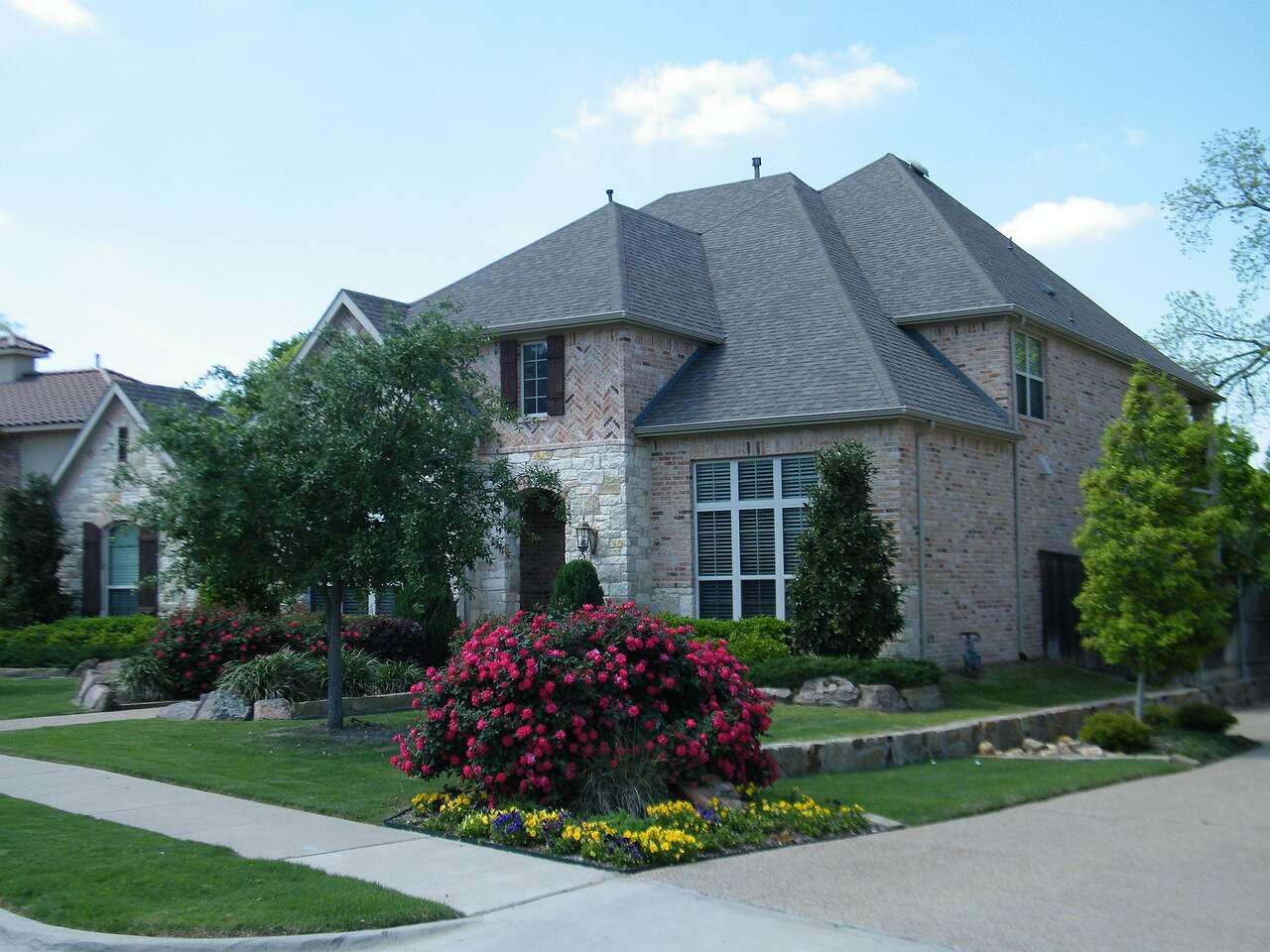
Rodent Removal in Keller, TX
Keller grew from a railroad stop on Big Bear Creek into a city of large-lot brick homes set among post oaks, and the trees and the creek both feed the attics. One call books a free roofline and attic inspection from a licensed contractor.
- Free attic and roofline inspection
- Phone answered 24 hours a day
- TDA-licensed contractors on every job
Free Inspection in Keller
The free inspection on a Keller house covers the roofline, the attic and whatever reaches them. Whoever attends walks the eaves for open soffit seams and returns, checks the ridge and gable vents from the roof, looks at the chimney cap, the stacks and the garage door corners, then goes into the attic with a light to read droppings, rub marks and trails through the blown insulation. On a Keller lot the trees are the first thing looked at, because a post oak limb on the shingles is a road in. The written findings put trapping, sealing and any cleanup on separate lines.
Keller sits in northern Tarrant County, north of Fort Worth and Watauga along Keller Parkway and Rufe Snow Drive, so the contractor we route usually comes from the north side of the county. The phone is answered 24 hours a day. Book a free inspection and say what you hear and which room it is above.
Large lots and old trees put the roofline within reach
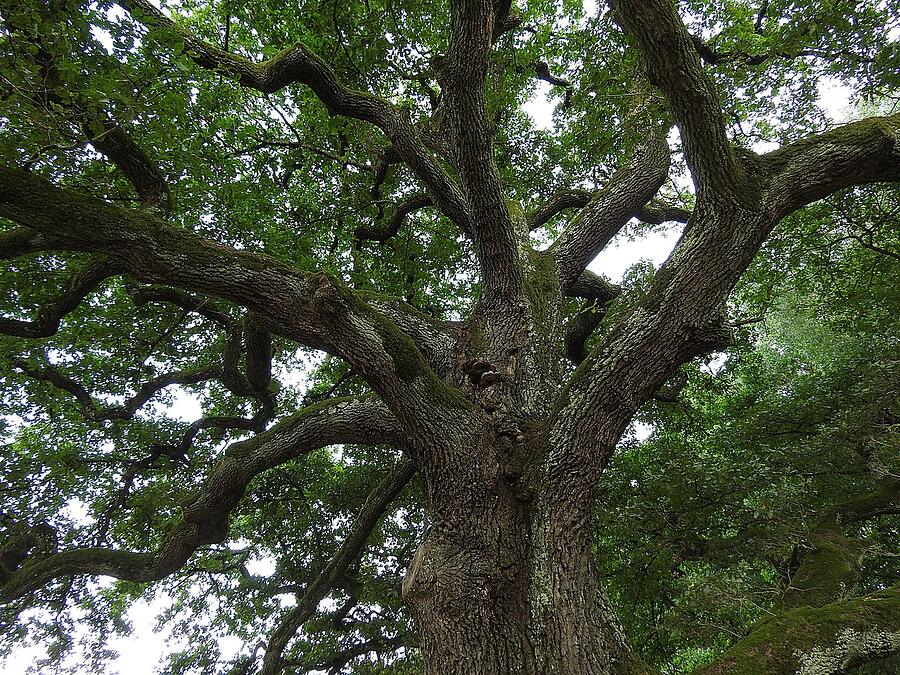
Keller was settled in the mid-1840s by families from Missouri near the headwaters of Big Bear Creek, became a stop on the railroad in the 1880s, and incorporated in November 1955, but most of its houses date from the 1980s onward, when the farmland was platted into subdivisions of brick homes on lots larger than the Mid-Cities norm. The trees that made the land attractive were kept: post oaks, blackjack oaks and cedar elms from the Cross Timbers stand in the yards and, thirty or forty years later, over the roofs.
UF/IFAS describes the roof rat as arboreal, an animal that moves along branches and wires, and a post oak limb resting on the shingles is the shortest route to the ridge vent or the soffit seam. The houses are slab-on-grade with brick veneer, so the entry list is the roof and the garage: ridge vent ends, gable vents, the seam where the soffit meets the brick, returns on a two-story, weep holes along the bottom course and the garage door seal. Rodent exclusion on a Keller house closes those points in steel and the inspection report says which limbs to cut back.
Big Bear Creek and the greenbelt trails carry Norway rats to the back fence
Keller has more than 26 miles of hiking and biking trails, most of them following the creeks, and the same corridors that carry the trails carry rodents. Big Bear Creek and its tributaries run through the city toward the Trinity, and the wooded greenbelts along them are Norway rat ground: burrows in the bank, in the brush pile behind a back fence, and along the slab edge of the nearest house. Houses that back onto a greenbelt or a park see burrowing rats at the foundation, under decks and in the garage as well as roof rats above.
The two animals are handled differently, and the inspection tells them apart from the droppings, since roof rat droppings run a quarter to half an inch with pointed ends per UF/IFAS. The Norway rat is sealed out at ground level, at the weep holes, the garage seal and the air-conditioning line sleeve; the roof rat is sealed out at the eave. Roof rat removal covers the attic side of a Keller job.
What We Handle in Keller
Keller calls run to roof rats in the attics of the oak-shaded subdivisions, Norway rats along the creek greenbelts, and the attic cleanup that follows a long winter.
- Roof rat removal: snap trapping on the attic runs, with traps left in place at least a week because roof rats avoid new objects, per UF/IFAS.
- Rodent exclusion: ridge vent ends, gable vents, the soffit-to-brick seam and the returns closed in hardware cloth and sheet metal.
- Rodent inspection: free, covering the roof, the attic, the garage, and the trees and lines that reach the eave.
- Mouse removal: the quarter-inch gaps at the garage seal and the utility sleeves, with traps in the pantry and the appliance voids.
- Attic cleanup: droppings and fouled insulation removed from an attic that has carried rats through more than one season.
- Attic insulation replacement: fresh blown fill where the old is packed flat along the runs, since the Department of Energy notes compressed insulation falls short of its rated R-value.
- Dead rodent removal: locating and removing the carcass behind a smell in a wall after a poison-only attempt.
A Typical Keller Job
The situation: A family in a two-story brick house from the late 1990s on a half-acre lot near a greenbelt trail hears something cross the ceiling of the upstairs bedrooms every night from the first week of December. A post oak limb rests on the back slope of the roof. The teenager has started sleeping downstairs.
What gets done: The free inspection finds the ridge vent end open above the master, the soffit seam parted along the back eave where the limb rubs it, and roof rat droppings along the attic top plate. The garage seal is intact. The contractor we route plugs the ridge ends and closes the seam in sheet metal, leaves the gable vent as the last route with traps on the run behind it, and comes back after a week.
How it turns out: Two roof rats the first week and none the second, the gable screened on the return visit, and the limb cut back the following weekend. The report lists the ridge, the seam and the gable as three photographed points priced apart from the trapping.
What This Costs in Keller
A typical Keller rodent job falls inside the published national bands, and the free inspection confirms which lines the house needs.
| Work | National band (HomeGuide 2026) |
|---|---|
| Inspection | Free here; $0 to $175 standalone nationally |
| Trapping and removal | $250 to $1,200 |
| Full-home exclusion | $500 to $2,500 |
| Attic cleanup and decontamination | $600 to $2,500 |
| Attic insulation removal and replacement | $2.50 to $5.50 per square foot |
| Dead rodent removal | $150 to $500 |
A Keller two-story on a large lot sits in the middle of the exclusion band: more roofline than a small ranch house, with returns at each roof step, but no crawl space and usually a sound garage. Ask whoever attends to price trapping, sealing and cleanup on separate lines, and ask what the sealing warranty covers and for how long.
Rat holes around a building
What a burrow looks like, and where it leads.
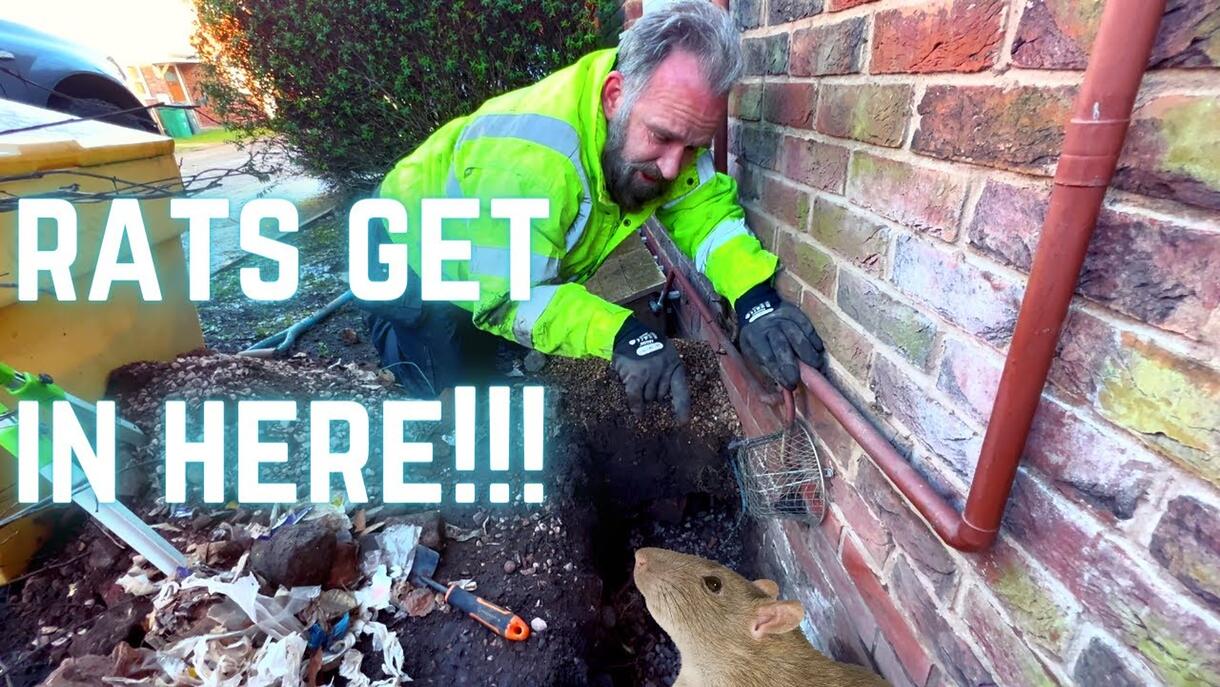
Video: RAT holes around your house? How to stop rats burrowing, from Pest Interceptors.
Common Questions in Keller
What callers from Keller want to know before they book.
Call (817) 710-2756How long does it usually take to get rid of rats in a Keller attic?
Two visits over two to three weeks is the usual shape. HomeGuide puts trapping a small number of animals at two to three days and a severe infestation at one to two months, and UF/IFAS advises leaving traps down at least a week because roof rats are wary of new objects. A house with a limb on the roof and an open ridge has usually carried animals for a season, which puts it toward the longer end.
Do I need to cut the trees back?
It helps, and the inspection report names the limbs, but it is the second step. A roof rat can reach the eave along a fence top or a utility drop as easily as along a limb, so a sealed roofline is what ends the problem and a cut-back limb is what keeps the shingles from wearing through. The sealing does the work; the pruning removes the easiest road.
We back onto the greenbelt. Are we going to keep getting rats?
The greenbelt keeps supplying them and a sealed house keeps refusing them. UF/IFAS puts a roof rat range at about 150 yards from its den, which covers every house on a street beside a creek corridor, so the pressure is permanent. The house that gets the noise is the one with the open seam. Once the roofline and the garage are closed to a quarter inch the animals stay in the creek bottom where they started.
Who is licensed for this in Tarrant County?
Controlling rats or mice for pay in Texas takes a structural pest control business license from the Texas Department of Agriculture with a certified applicator, under the Structural Pest Control Act. Every contractor we route into Keller carries it. Look up the TPCL number on the department current-license list before work starts and ask for proof of insurance at the same time.
Nearby Areas We Serve
The contractors who cover Keller also cover the towns next to it, and the service area takes in Tarrant County together with the rest of the Fort Worth metro.