Rodent Removal in Alliance
The subdivisions around Alliance went up on pasture after the airport opened in 1989, and every field cleared since sends its rats into the nearest brick two-story. There is no charge for the inspection, and someone picks up the phone at any hour.
- Free roofline and garage inspection
- Slab houses, no crawl space
- TDA-licensed contractors routed
Alliance houses are new, and new houses open at the roof
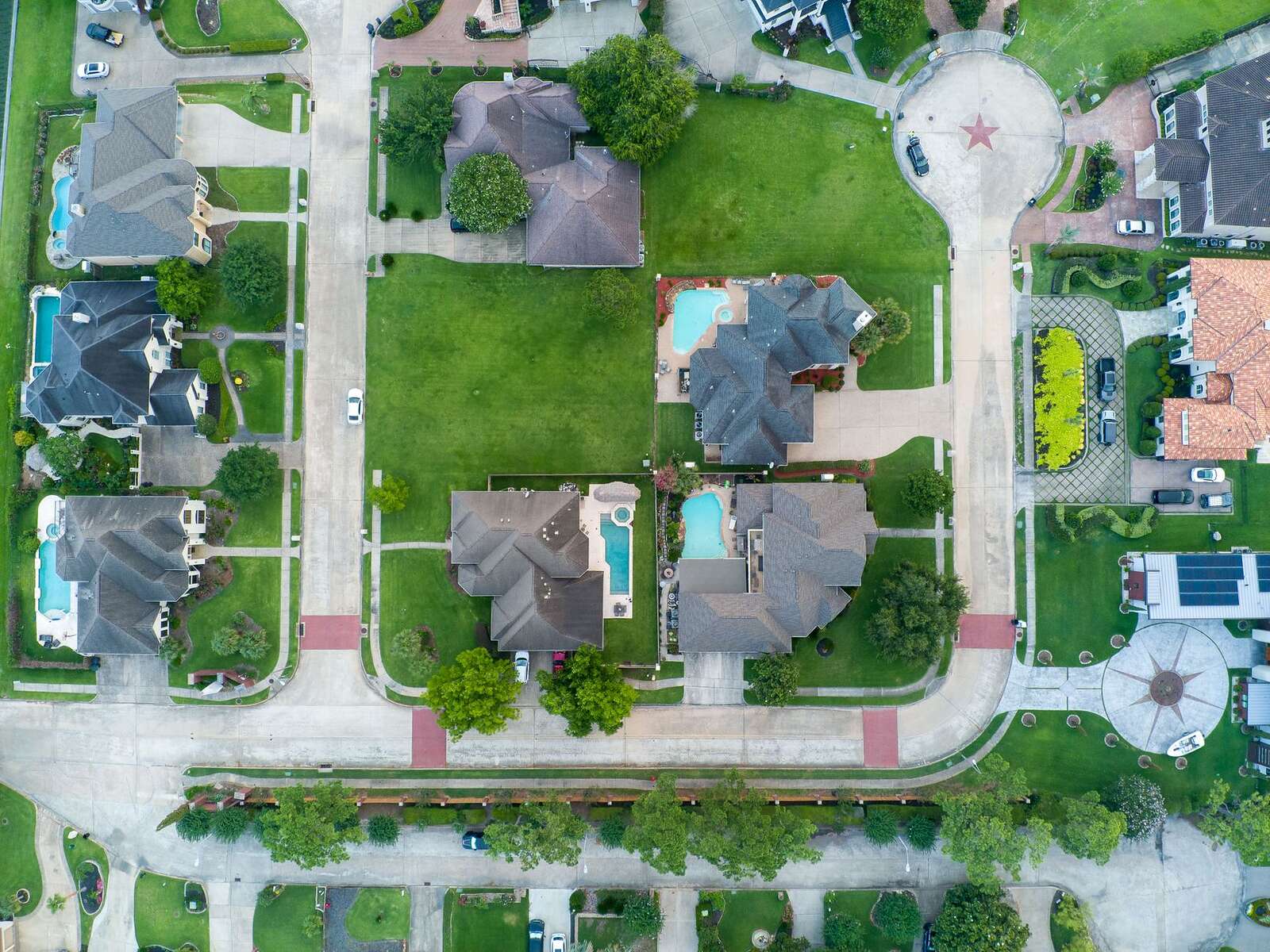
Nearly everything residential around Alliance was built after 1990. Fort Worth Alliance Airport opened in December 1989 as the first airport planned purely for industry, the warehouses and rail yards followed, and the subdivisions in the 76244 and 76177 zip codes filled in behind them across what had been ranch land in far north Fort Worth, Tarrant County. The houses are brick-veneer two-stories and single-stories on concrete slabs with composition shingle roofs and blown insulation in a ventilated attic.
A slab house has no crawl space, so the way in is at the top. The ridge vent along the peak, the gable vents on the end walls, the roof-to-wall returns where a garage or porch roof meets a second-story wall, the seam where a builder-grade soffit meets the brick, the weep holes along the bottom course of the veneer, and the corners of the garage door seal are the six places the inspection goes first. UF/IFAS sets a quarter inch as the rat-proofing standard, and a production soffit is rarely finished to it.
Displacement from the pasture edge
The last row of houses before the open ground takes the first wave whenever a field is cleared. Grading for the next phase, a new warehouse pad or a road extension pushes the rats that lived in the grass and the fence rows toward the nearest structures, and in this part of the city that is usually a two-story brick house with a fence line running straight to it. Roof rats travel along fences and utility lines, per UF/IFAS, and a privacy fence that ends at a garage wall is a ramp to the soffit.
The pressure is seasonal on top of that. Calls ramp in the fall and peak in January and February when the animals move into attics for warmth, and the sealing is best done before October. A house that backs onto pasture or a drainage easement is worth inspecting before the first cold snap rather than after the first night of noise. Rodent exclusion on an Alliance house is a short list of points closed well.
A representative ridge vent on an Alliance roof
The ridge vent is the opening nobody can see. It runs the length of the peak under a cap of shingles, and the plastic or foam baffle that is supposed to keep animals out is cut short at the ends or crushed on many production roofs. A roof rat that walks up the fence and along the gutter reaches the ridge in seconds. The fix is a metal end plug and hardware cloth behind the baffle, done from the roof. The free inspection checks every ridge and gable vent and photographs what it finds, and roof rat removal traps the attic while the roofline is closed. The contact page has the hours.
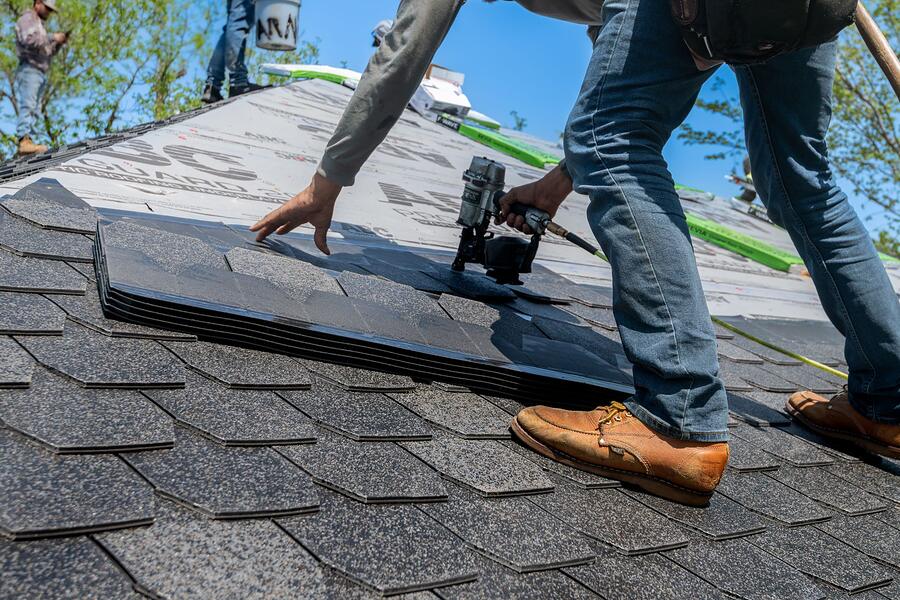
Materials that keep rodents out
A comparison of what actually holds at a gap.
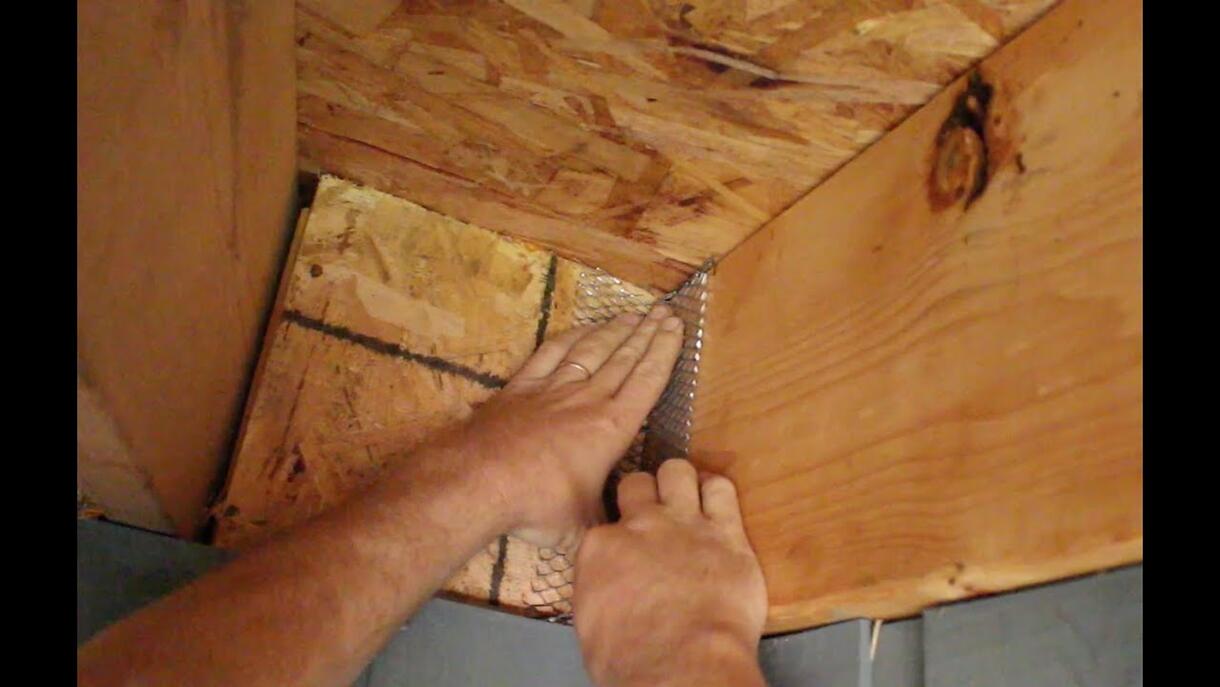
Video: How to keep mice out. Cheaper than hardware cloth, from Ontario Lakeside.
Why Alliance homeowners call this number
A newer slab house makes the work short and exact, and these three points cover what that means for the report and the price.
A slab house is a short, exact list
With no crawl space, an Alliance inspection comes down to the ridge and gable vents, the returns, the soffit-to-brick seam, the weep holes and the garage seal. The contractor we route checks each one from the roof and the attic, photographs it and prices it, so the quote is a list of named points rather than a lump sum.
Rat-proofing standard of a quarter inch, UF/IFAS Extension
Sealed before the fall migration
Rodent calls in North Texas peak in January and February. A house at the pasture edge that is sealed in September carries none of that traffic, and the sealing is priced on its own line so it can be booked ahead of any trapping.
Full-home exclusion $500 to $2,500 nationally, HomeGuide 2026
The license fits the work
Rats and mice sit in the Pest Control category of the Texas structural pest control license, and every contractor routed into the Alliance subdivisions holds it. Ask for the TPCL number and check it on the Texas Department of Agriculture current-license list.
Structural Pest Control Service, Texas Department of Agriculture
A common Alliance call
The situation: A family in a 2005 two-story on the last street before a drainage easement in 76244 starts hearing something in the ceiling of the upstairs game room the week the grading crews arrive on the pasture behind the fence. The children have moved into the parents' room.
What gets done: The free inspection finds the ridge vent end plug missing above the garage, the soffit seam open where the garage roof meets the second-story wall, and a chewed corner on the garage door seal. Roof rat droppings run along the top plate above the game room. The contractor we route plugs the ridge ends, closes the seam in sheet metal, screens the weep holes above the garage and replaces the seal, then traps the attic run for a week with the return as the last opening.
How it turns out: Three roof rats in the first week and none after, the return closed on the second visit, and the children back in their own rooms. The quote had trapping, sealing and the garage seal as three separate lines.
Questions from Alliance
What owners of the far north subdivisions ask before booking.
Call (817) 710-2756My house is only a few years old. How are rats getting in?
Through the roof, at points the builder never finished to a quarter inch. The ridge vent ends, the soffit-to-brick seam, the returns where a lower roof meets an upper wall and the garage door corners are open on most production houses from the day they are sold. A new house has no crawl space and few plumbing penetrations, so the list is short, but the openings it does have are exactly the size a roof rat uses.
Why did it start when the field behind us was cleared?
Because the rats that lived in the grass and the fence rows needed somewhere to go. Clearing and grading push them toward the nearest shelter, and UF/IFAS notes that roof rats travel along fences and wires and range about 150 yards from a den, which covers the first two rows of houses. The same thing happens ahead of each new phase, so sealing the roofline once ends it for your house whatever happens behind the fence.
Is it safe to do exclusion before trapping?
Yes, provided one active route is left open and trapped until the noise stops. Sealing every point at once with animals inside leaves them chewing for a new way out or dying in a wall. The order used on Alliance houses is to close the quiet openings first, trap the run behind the last one for at least a week, then close it, which is why the job takes two visits.
What does this cost on a slab house?
Usually the lower half of the national bands. HomeGuide 2026 puts trapping and removal at $250 to $1,200 and full-home exclusion at $500 to $2,500 nationally, and a two-story slab house with a handful of roofline points and a garage seal sits well below the top of the exclusion band. The free inspection produces the written quote with each line separate.